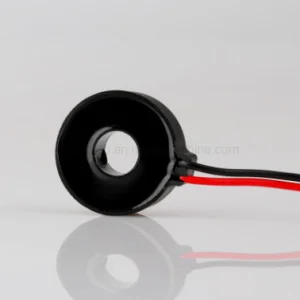
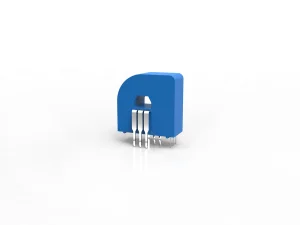
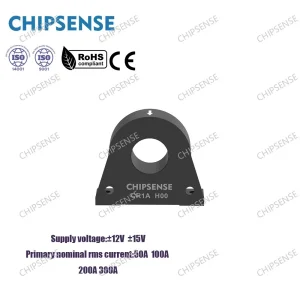
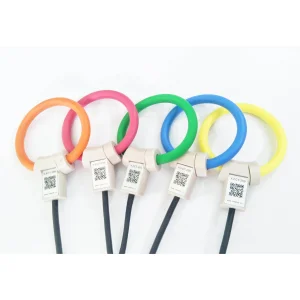
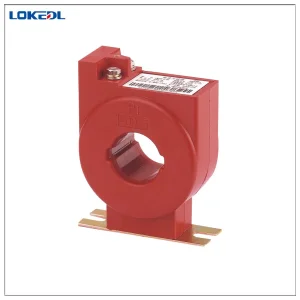
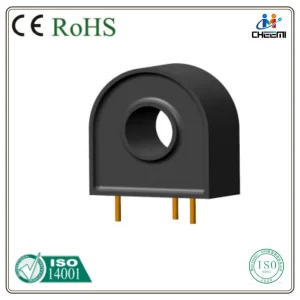
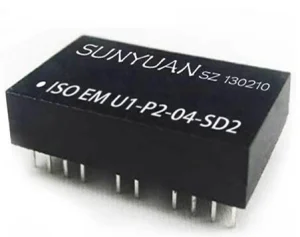
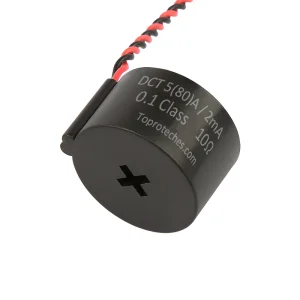
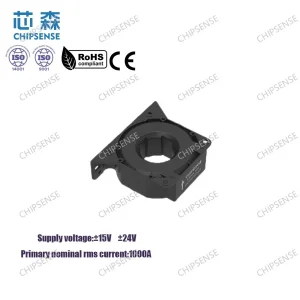
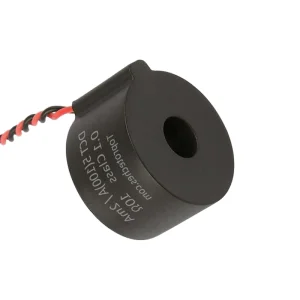
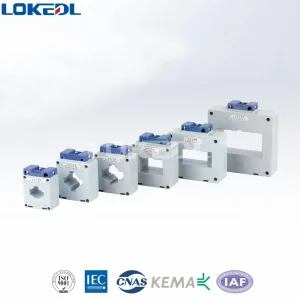
Designed for instant integration, these high-linearity units serve as the baseline for critical grid applications, renewable microgrids, and high-frequency power electronics.
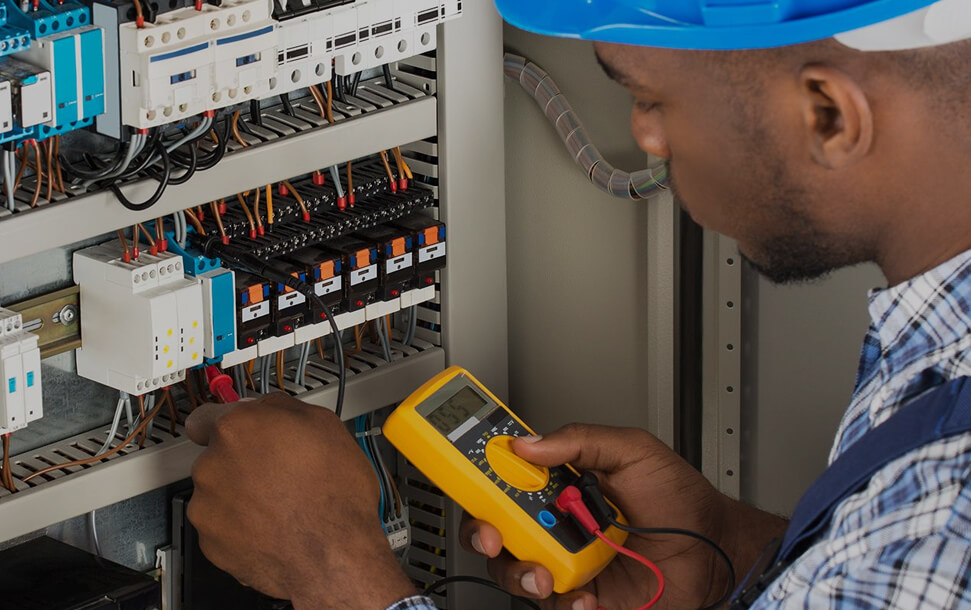
Kiribati, an island nation spanning 33 atolls in the central Pacific Ocean, is navigating one of the most critical energy transitions globally. Historically reliant on imported diesel fuel, the Public Utilities Board (PUB) of Kiribati and various commercial microgrid operators in South Tarawa, Kiritimati, and outer islands are aggressively adopting solar photovoltaics (PV) and battery energy storage systems (BESS). However, integrating highly fluctuating renewable energy into isolated grids introduces extreme harmonic distortion and load dynamics.
In this challenging electrical environment, standard current transformers fail due to premature saturation caused by DC offsets and high-frequency harmonics from hybrid solar inverters. Fujian Smrtr Technology Co., Ltd. (Zentar®) provides High Linearity Precision Current Transformers specifically optimized to mitigate these issues. Our devices maintain accurate measurement (up to Class 0.1) across highly variable loading ranges, ensuring reliable telemetry, revenue-grade billing, and system protection.
Corrosion Mitigation: Epoxies built to resist saline-heavy air in coastal sub-metering points.
Thermal Co-efficient: Low phase error deviation from -25°C up to +85°C, ensuring stability in tropical environments.
Harmonic Filtering: Linear response over a wide frequency band (up to 100 kHz for Hall Effect models).
Precision measurement is governed by the core material's B-H (Magnetic Flux Density vs. Magnetic Field Strength) curve. Traditional silicon steel cores suffer from hysteresis loss and non-linear behavior under low primary current conditions. Zentar’s high-precision lineup addresses this through advanced engineering:
By blending ultra-high permeability permalloy with advanced nanocrystalline structures, we minimize the excitation current ($I_e$). This directly reduces the amplitude error and phase displacement, maintaining strict compliance with the IEC 61869-2 standard. This engineering choice is crucial for billing installations in Tarawa, where low-power household draws are otherwise lost in core excitation noise.
Equipped with low-drift copper windings and customized burden resistors, our toroidal and split-core current transformers exhibit exceptional thermal stability. This prevents phase-angle drift caused by diurnal temperature swings common in the Pacific region, ensuring consistent performance from sunrise to midday peak solar production.
| Technology Type | Primary Linearity Limit | Phase Angle Error | Best Applications in Kiribati |
|---|---|---|---|
| Permalloy Solid Core CTs | 0.05% - 120% of Rated Current | < 5 Minutes | Revenue-Grade Billing & Sub-Metering |
| Closed-Loop Hall Effect Sensors | DC to 150 kHz Bandwidth | Negligible (Active Feedback) | Solar Inverter DC-Bus & Battery Storage Monitoring |
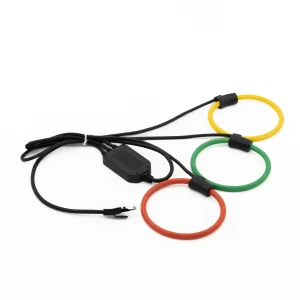
| IP68 Rogowski Coils (Flexible) | Up to 100kA (No Saturation Limit) | Corrected via Integrator Circuit | Outdoor Distribution Lines & Retrofits |
As Kiribati updates its National Energy Policy (KNEP), upgrading sub-metering systems and distribution nodes becomes essential. Our current transformers provide crucial telemetry for modern grid management:
Reverse osmosis desalination plants in Kiribati require precise, variable-speed motor drives. Using our toroidal closed-loop transducers ensures clean power supply monitoring, protecting expensive high-pressure pump motors from harmonic overload.
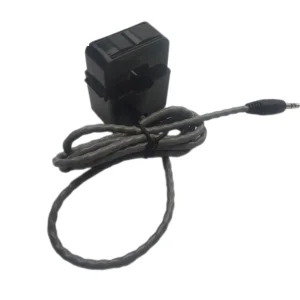
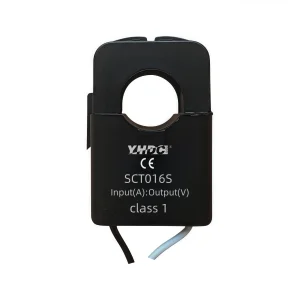
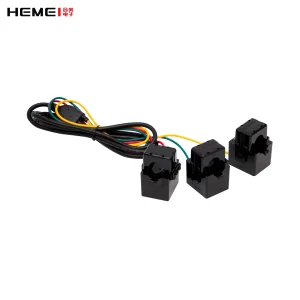
By deploying split-core CTs with audio jacks or standard terminal outputs, local utilities can retroactively instrument existing switchgear without shutting down critical local power distribution networks.
Corrosion-proof, potting-sealed IP68 current transformers withstand highly corrosive marine atmospheres, ensuring long service lives in coastal infrastructure.
Founded in 1993, Fujian Smrtr Technology Co., Ltd. (Zentar®) is a leading global designer and manufacturer of magnetic components for electrical safety and power measurement. Headquartered with state-of-the-art facilities in Xiamen, we employ approximately 410 specialists dedicated to deliver customized solutions in current transformers, RCD fused connection units, and wireless energy monitoring systems.
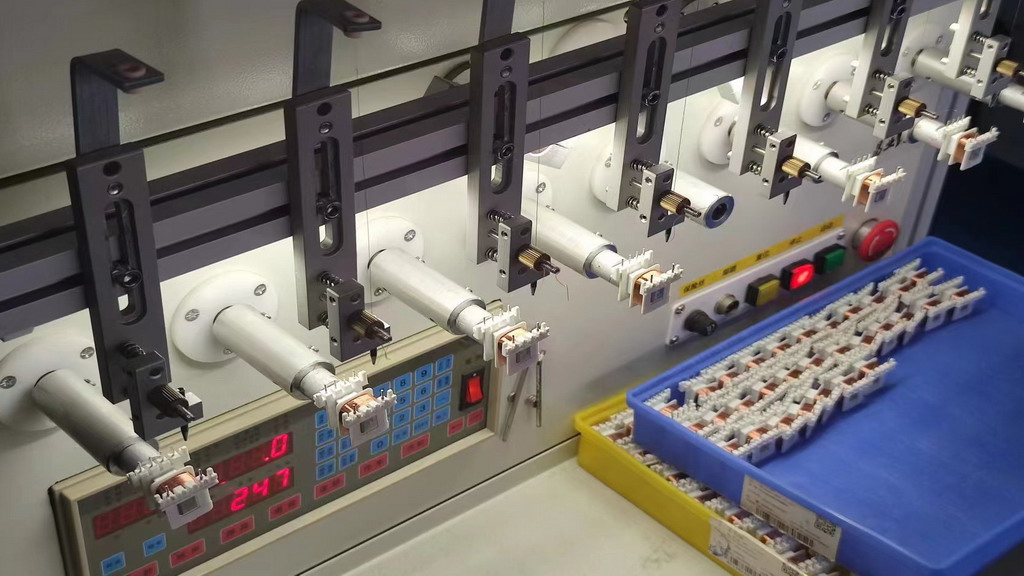
Under tight lead-time demands and implementing our advanced ERP system since 2008, we manage an annual output of over 50 million magnetic components. Our production infrastructure implements IATF 16949 and ISO9001:2015 quality control systems to guarantee every exported batch is engineered for precision and reliability.
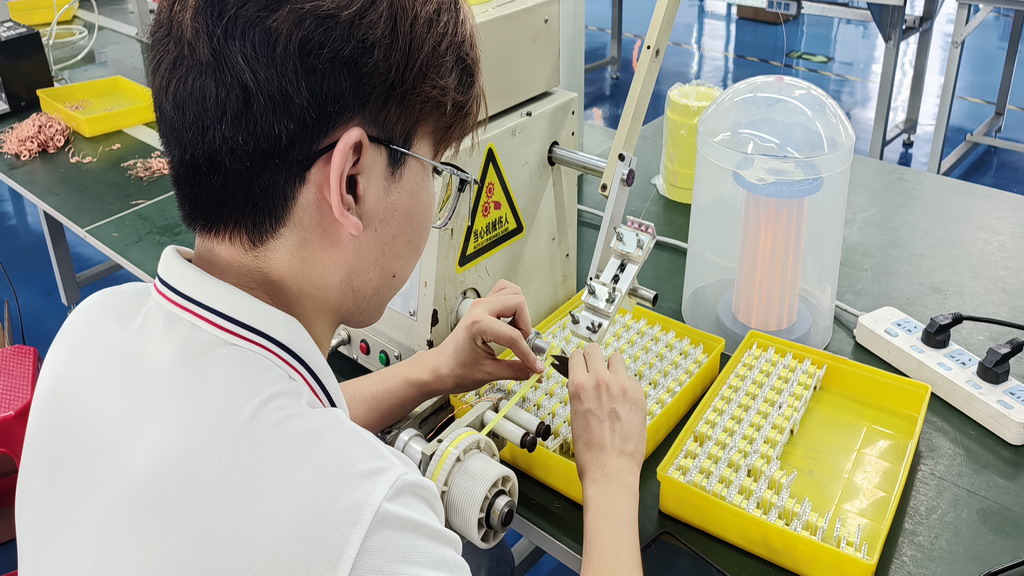
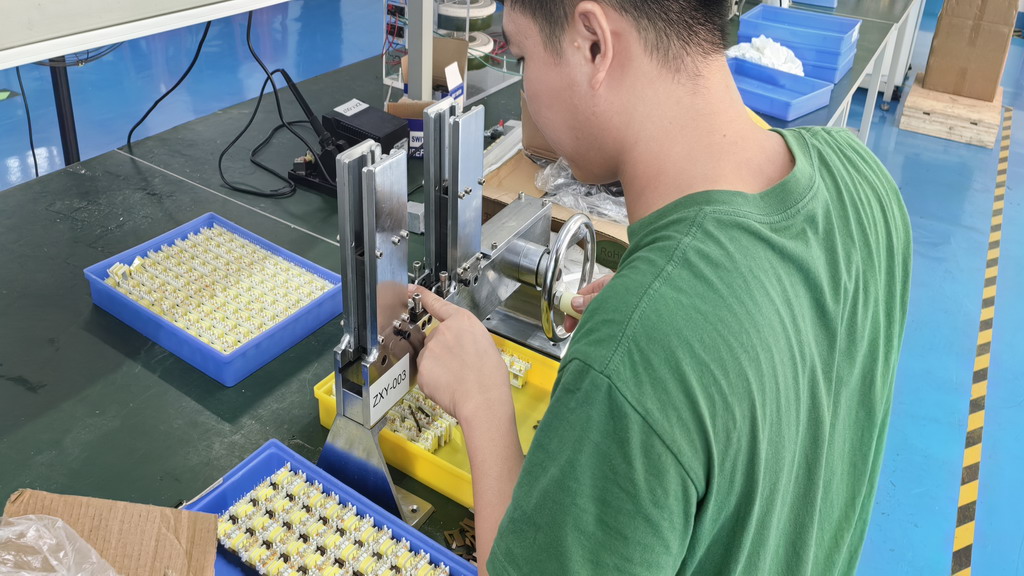
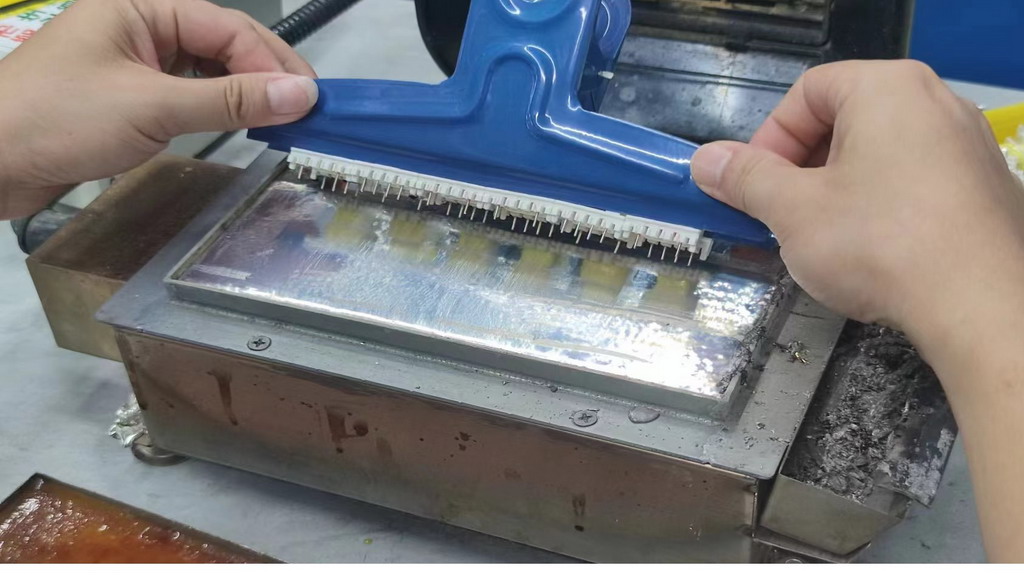
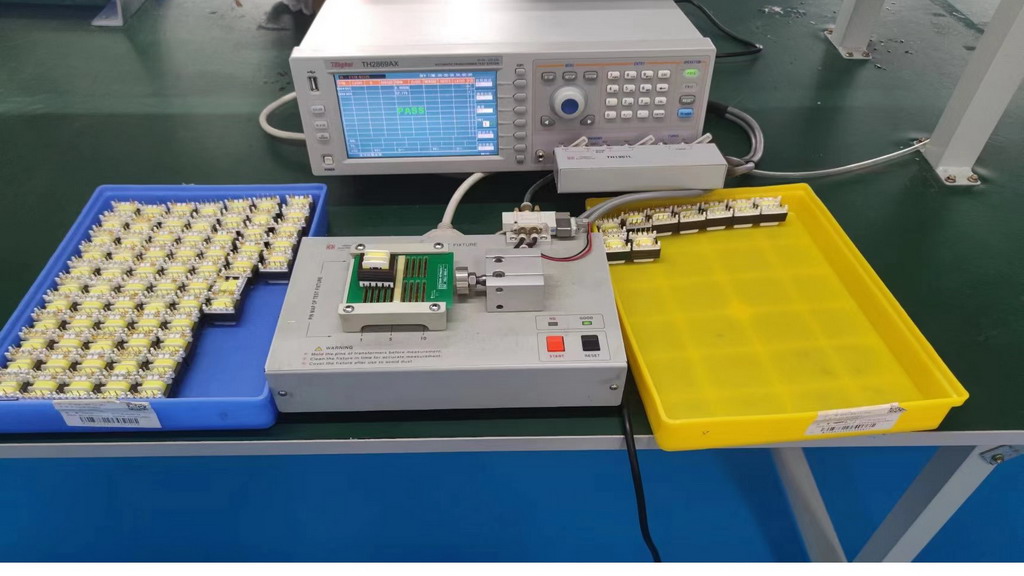
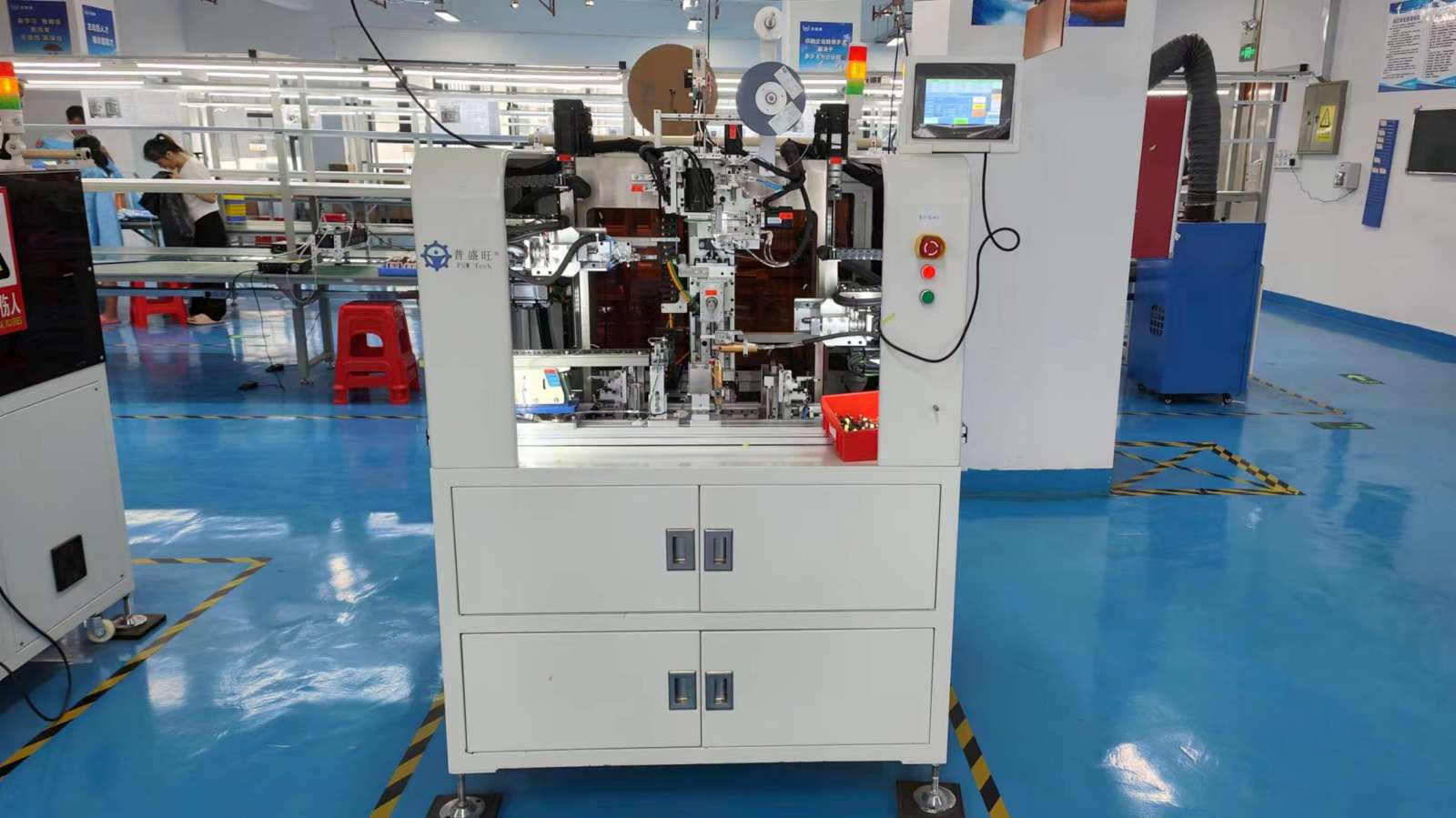
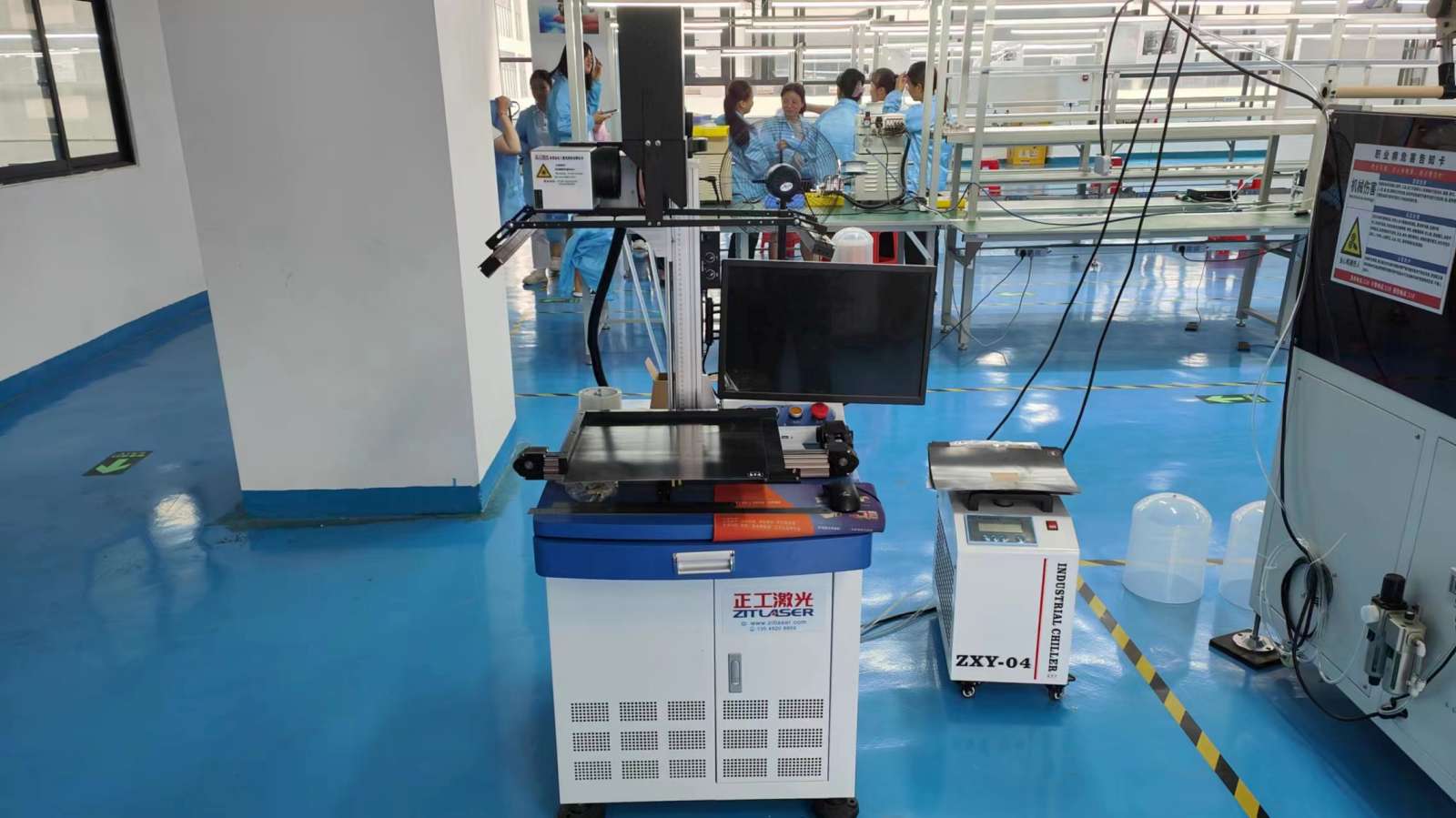
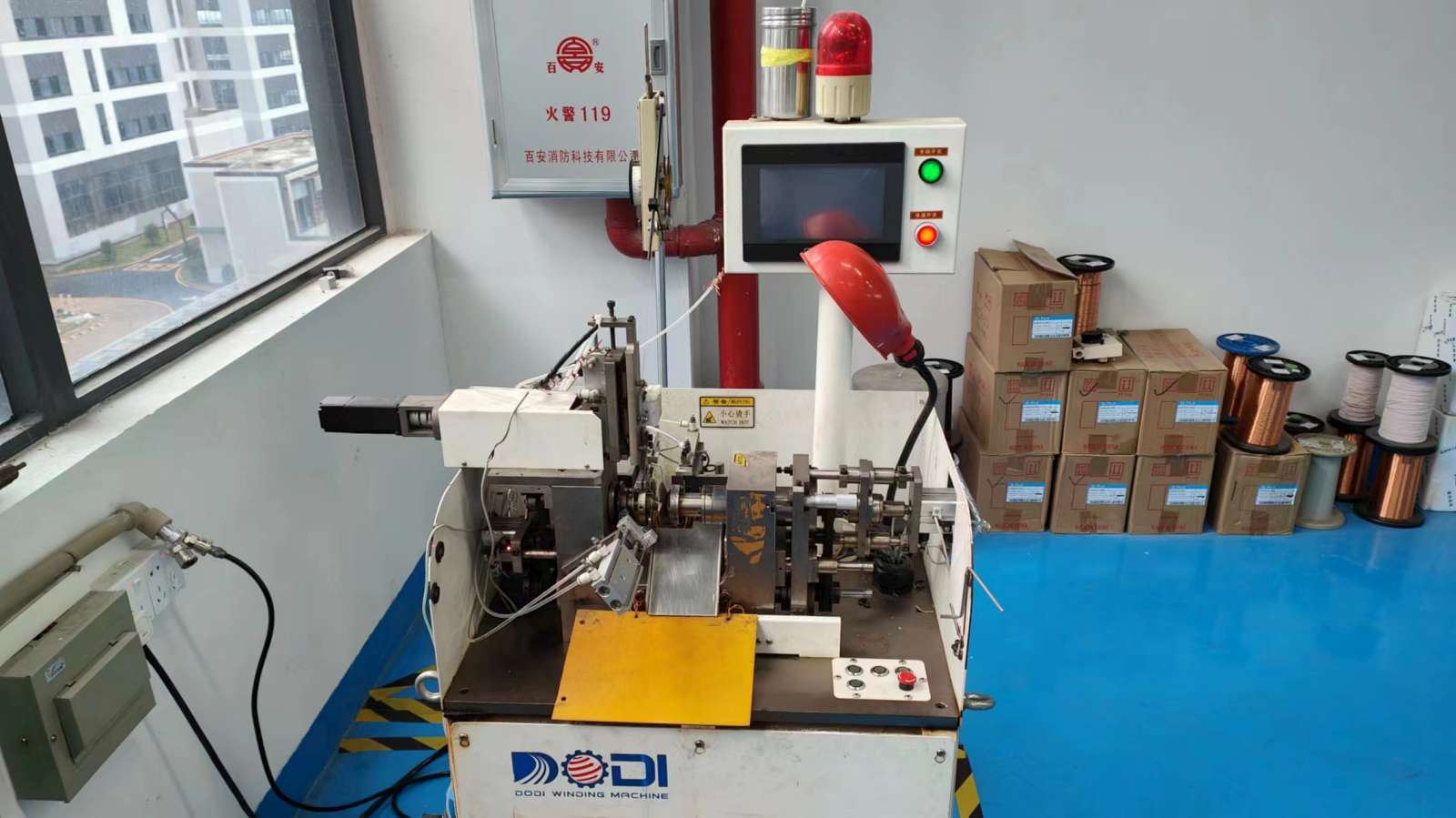
Take a look at our automated winding, assembly, inspection, and high-linearity verification processes that ensure our products perform reliably in South Pacific environments.


As a global exporter, Zentar® streamlines delivery to Oceania. Our logistical and engineering processes prioritize easy integration, durability, and compliance:
We provide direct shipping routes from Xiamen to major regional hubs, including South Tarawa (Betio Port), Fiji (Suva), and New Zealand, with customized wooden crating and vacuum-sealed desiccant packaging to prevent ocean air ingress during sea transit.
All current transformers undergo rigorous testing to comply with IEC 61869-2, IEEE C57.13, CE, RoHS, and UL standards. Inspection documentation and calibration curves are shipped with every batch.
A: Microgrids frequently operate at varying capacities. High-linearity current transformers ensure that even during low-load intervals (e.g., late-night residential consumption) or high-generation solar peaks with DC drift, the transformer maintains accurate readings without saturating or shifting phase angles. This provides reliable billing and overload protection.
A: Our IP68 coils are fully sealed with high-density polyurethane potting compound, preventing moisture and corrosive salt spray from reaching the internal windings. This ensures long-term reliability in humid, coastal environments like South Tarawa.
A: Yes. Our split-core current transformers are designed to clamp directly onto existing conductors. This allows local utilities to install them without needing to disconnect cables or shut down power, reducing installation costs and downtime.
A: We operate under strict IATF 16949 guidelines. From automated winding to final calibration testing, each unit undergoes multi-point inspection to verify core saturation levels, excitation current, insulation strength, and phase-angle performance.
Browse our full selection of current sensors, transducer circuits, and instrument transformers optimized for global and regional grid integration.
 Smrtr Technology