Highly optimized, climate-resilient current transformers selected for local distribution systems, commercial sub-metering, and utility billing infrastructure in Mauritania.


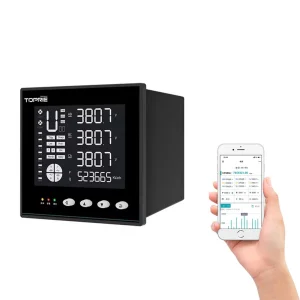
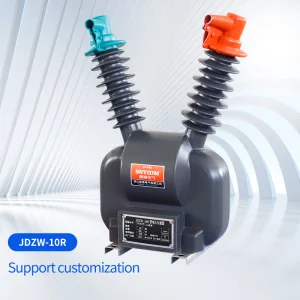
Kaédi, the commercial hub of Mauritania's Gorgol region, sits in a strategically vital agricultural and trade zone along the Senegal River. As Mauritania pursues aggressive power grid upgrades and expansion under the state utility SOMELEC (Société Mauritanienne d'Electricité), stabilizing distribution grids and minimizing line losses have become priority tasks. The introduction of smart metering networks is central to these upgrades.
However, the local environmental conditions pose severe challenges. High ambient temperatures exceeding 45°C, high dust loads from Sahelian winds, and humidity near the river demand current transformers (CTs) and potential transformers (PTs) with high thermal stability, reliable core insulation, and robust housing materials. Standard equipment fails prematurely under these extreme stress factors.
As a seasoned exporter, Fujian Smrtr Technology Co., Ltd. (Zentar®) engineers current transformers specifically rated for harsh environments. Our instruments integrate advanced epoxy vacuum casting and specialized magnetic cores to prevent saturation and thermal drift, guaranteeing precise measurements for local municipal substations and agricultural irrigation networks alike.
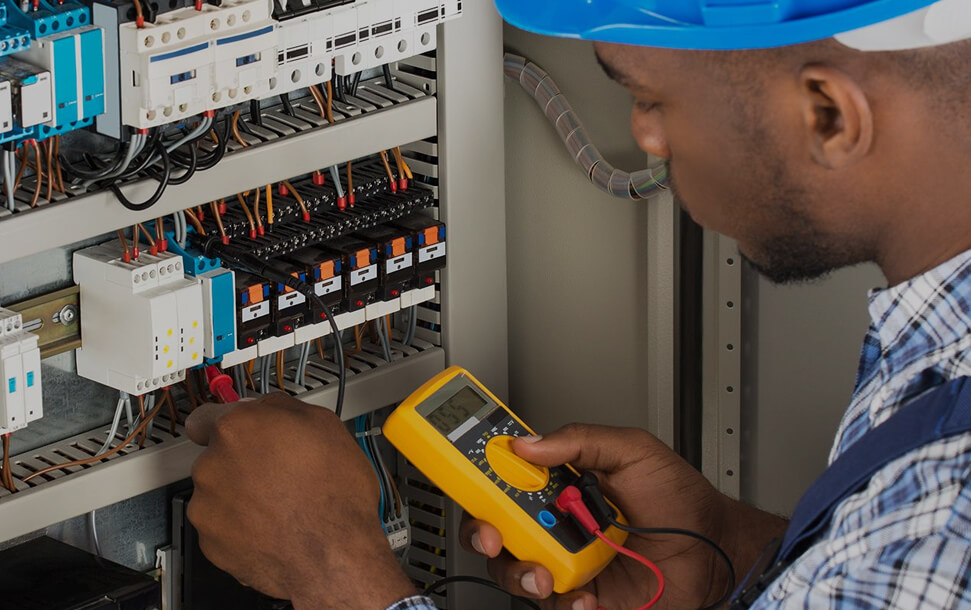
Modern electrical grids rely heavily on real-time data. High-precision CTs enable bidirectional metering, essential for microgrid solar setups and utility tariff structures.
With the rise of nonlinear loads, Rogowski coils and split-core CTs must detect high-frequency harmonics to protect industrial motors and machinery.
Globally, energy networks are evolving from static distribution paths to highly dynamic, decentralized smart grids. The integration of distributed energy resources (DERs)—such as solar photovoltaic fields, wind turbines, and localized battery energy storage systems (BESS)—demands instrument transformers that maintain Class 0.2s or Class 0.5 accuracy across a wide range of primary currents.
This global transformation directly affects emerging hubs like Kaédi. When developing regional distribution networks, engineers are no longer installing basic analog meters. They require high-reliability intelligent vacuum circuit breakers coupled with dry-type potential transformers and split-core current sensors that interface directly with RTUs (Remote Terminal Units) and SCADA systems.
Leveraging over 30 years of manufacturing expertise, engineering innovation, and vertical integration to support global electricity projects.
Fujian Smrtr Technology Co., Ltd. (Zentar®) is a premier manufacturer specializing in high-performance magnetic components for electrical safety, protection, and power measurement. Founded in 1993, our operations based in Xiamen employ approximately 410 dedicated professionals, including a distinguished R&D team led by university professors and 20 senior electrical engineers. We deliver state-of-the-art current transformers, RCD fused connection units, and wireless energy monitors designed to meet the rigorous expectations of international utility operators.
Our core capabilities set us apart in the global marketplace:
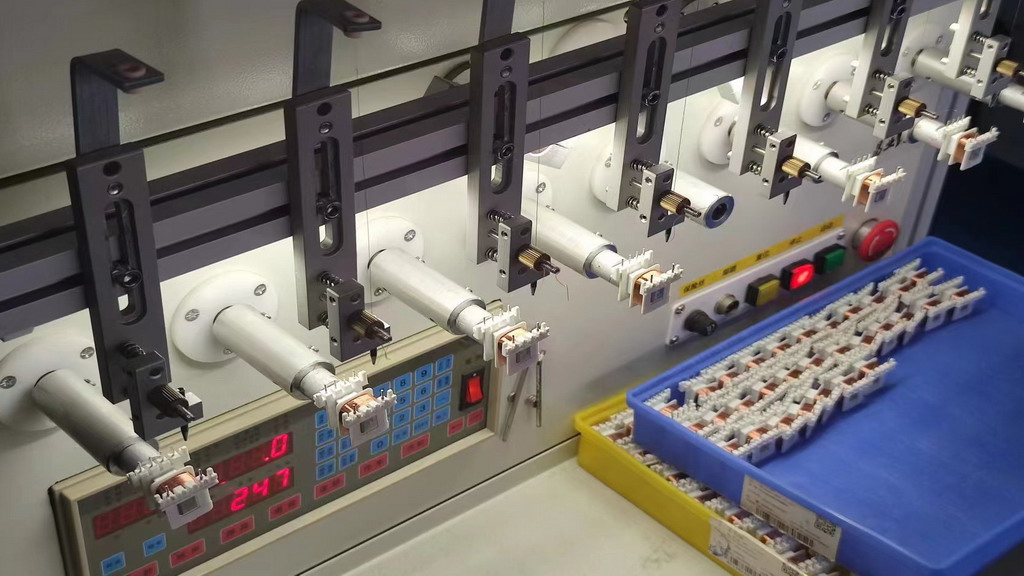
Every current transformer undergo rigorous calibration and multi-stage testing to guarantee operation under severe thermal and mechanical stresses.
Wire Wrapping
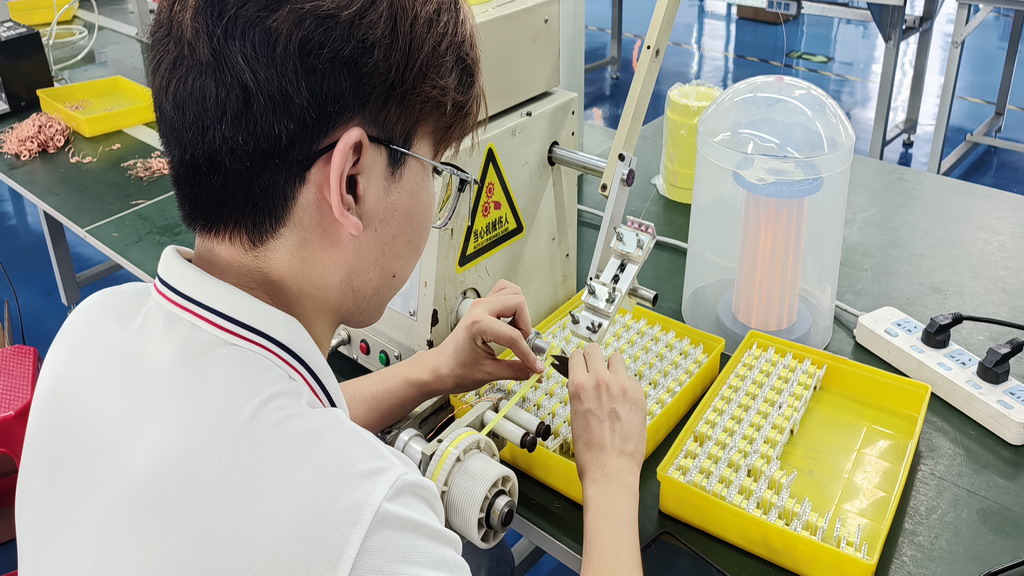
Rubberized Cloth Wrapping
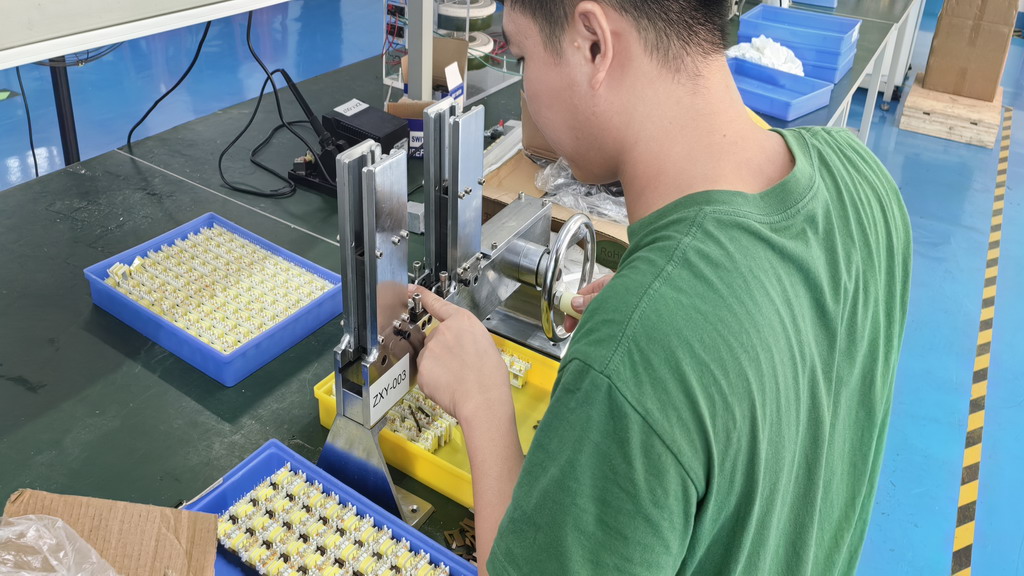
Silicon Steel Sheet Loading
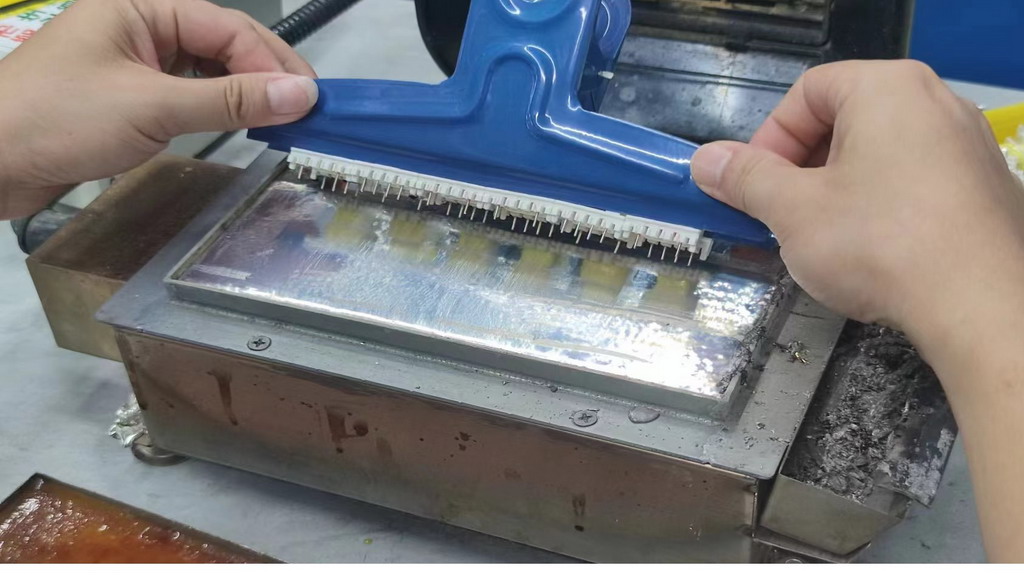
Precision Soldering Tin
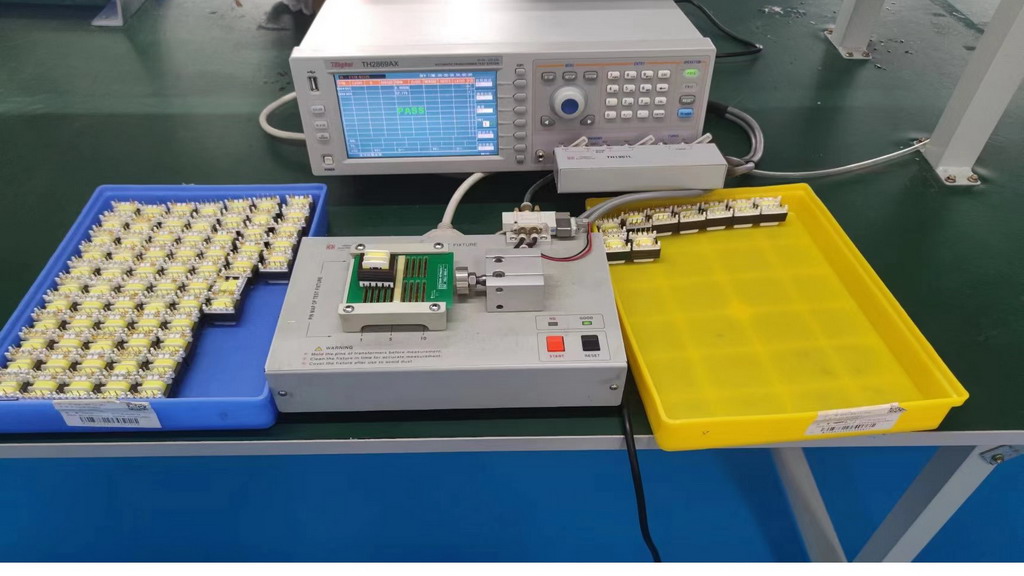
Final Functional Testing
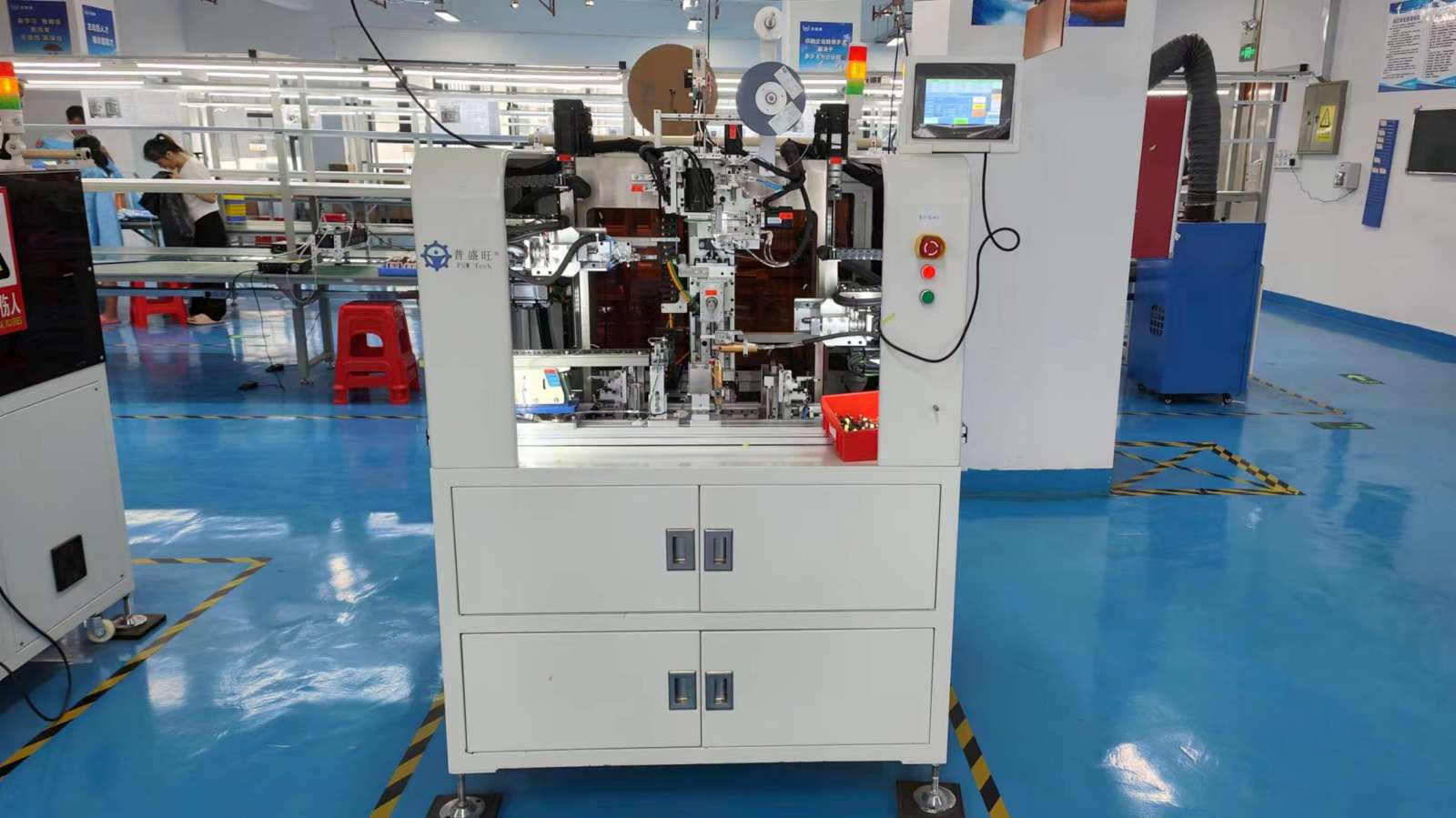
Auto Coil Winding
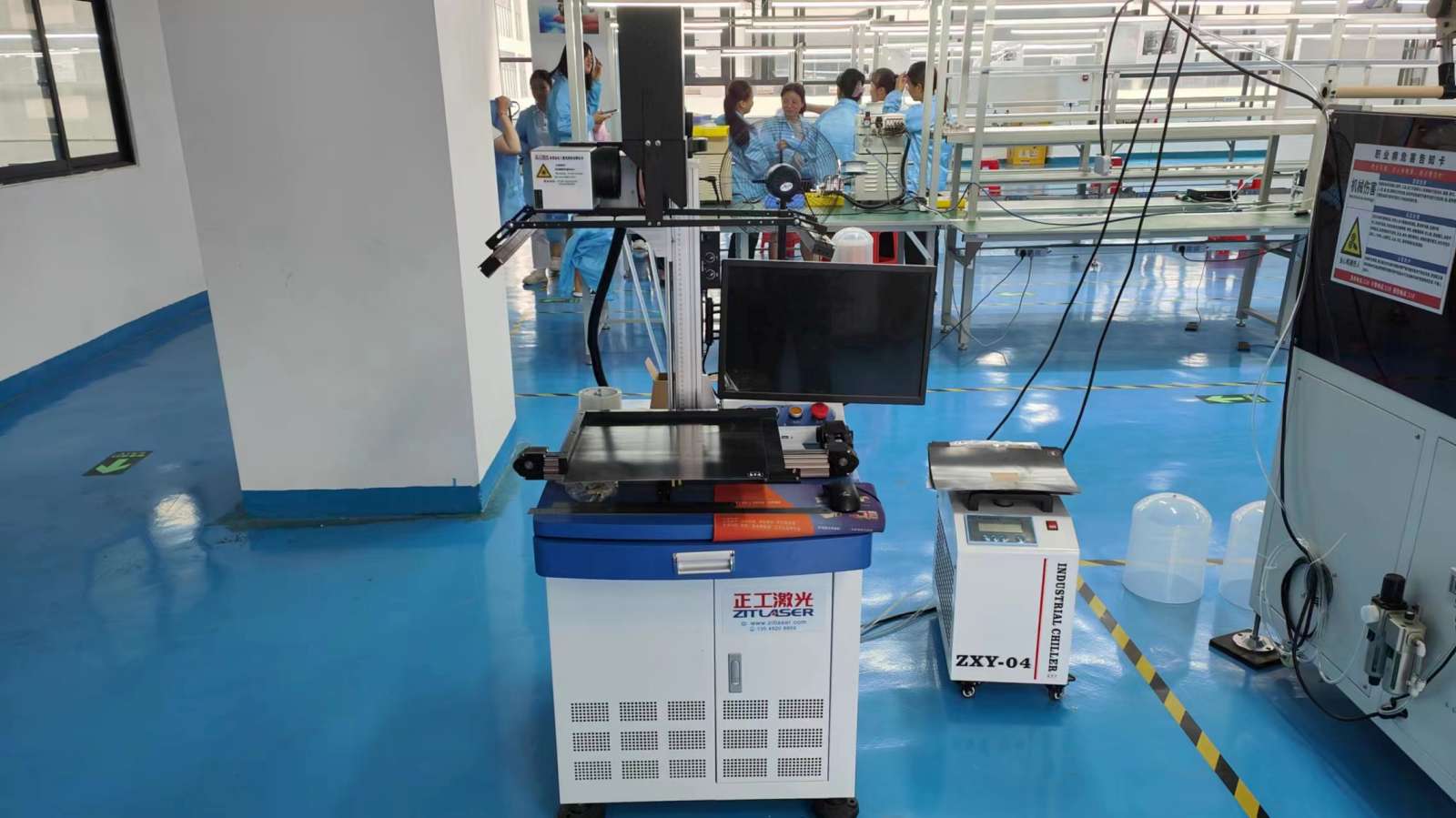
Permanent Laser Marking
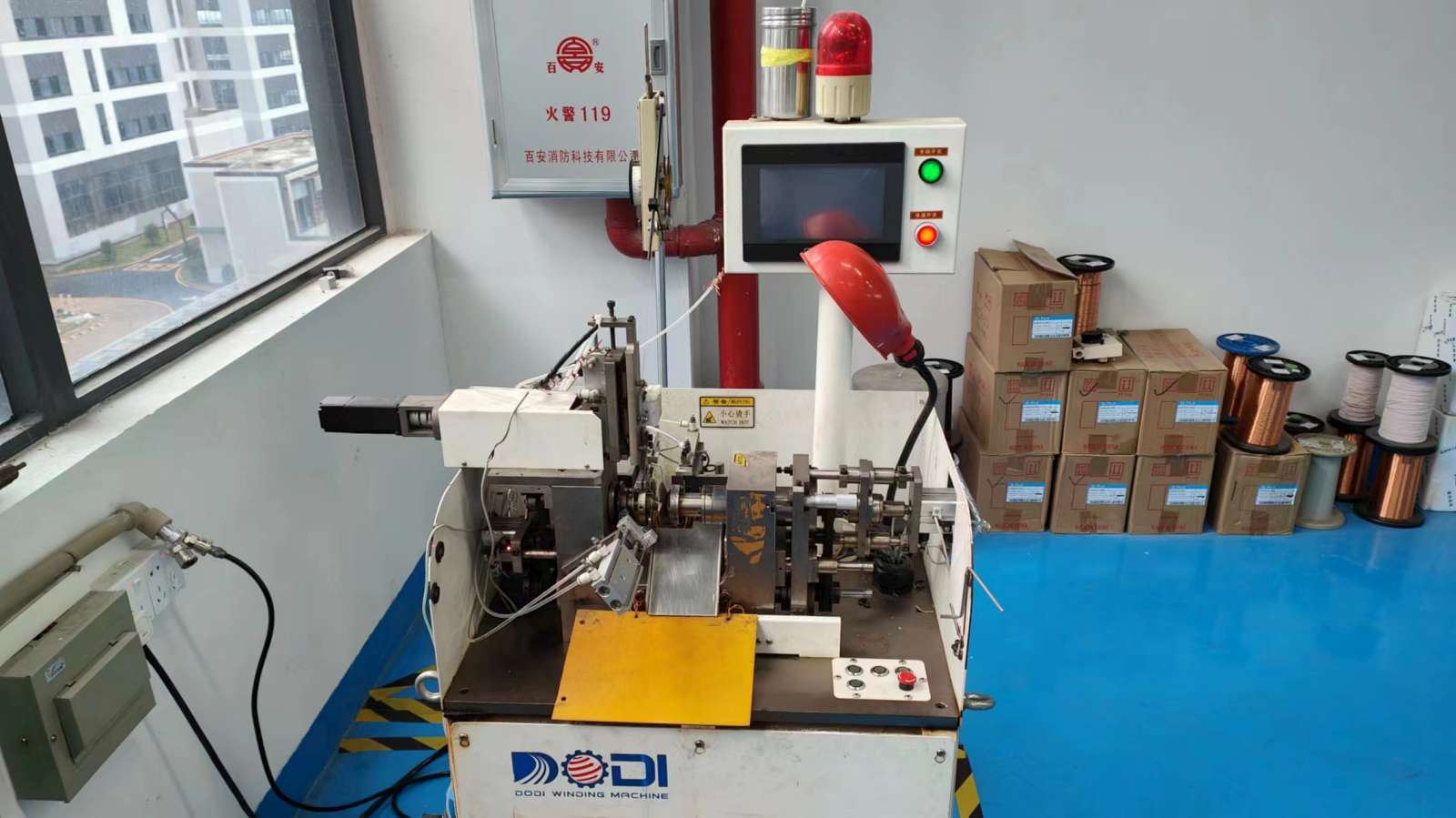
Coil Winding Station
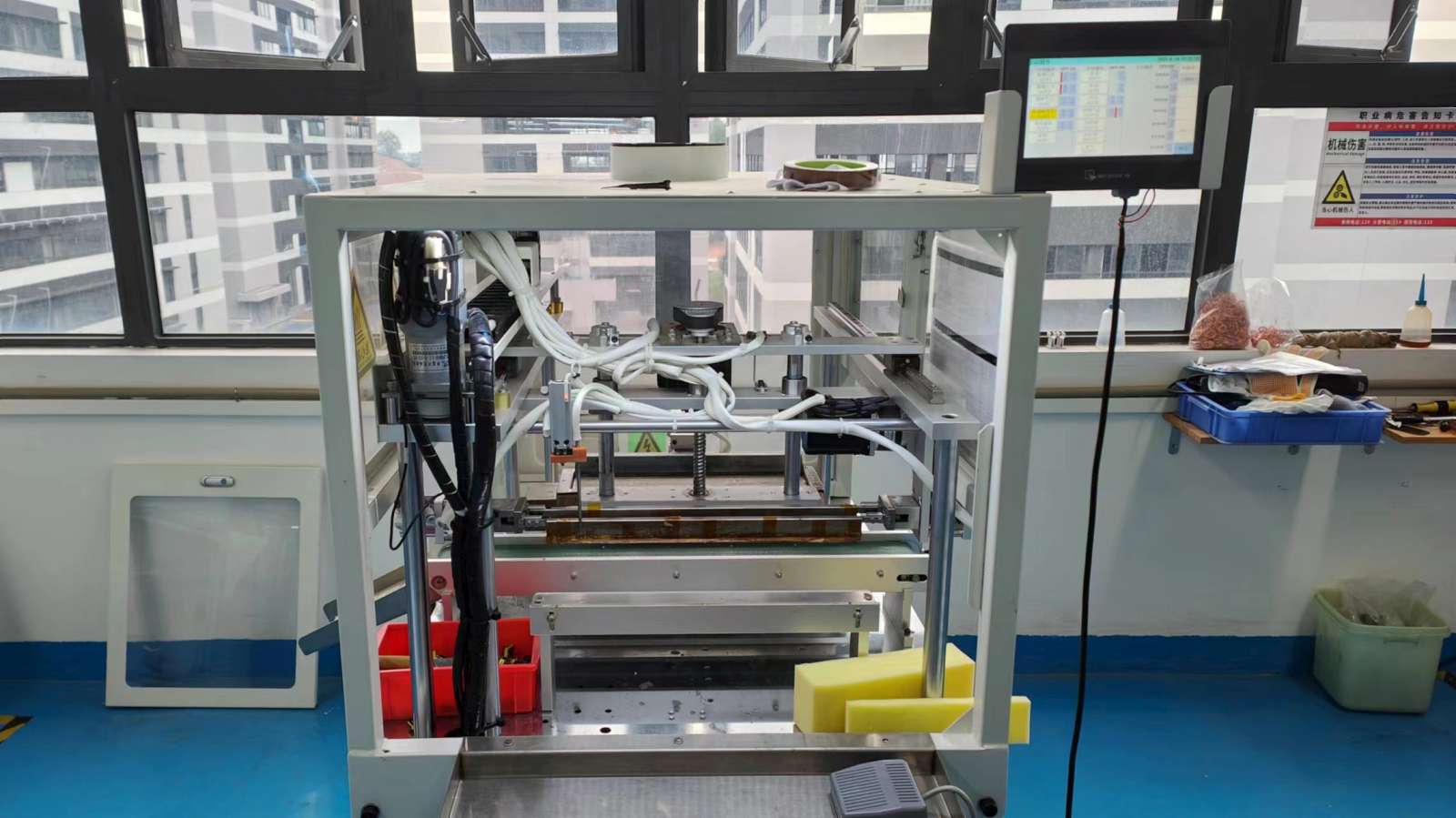
Auto Soldering Station
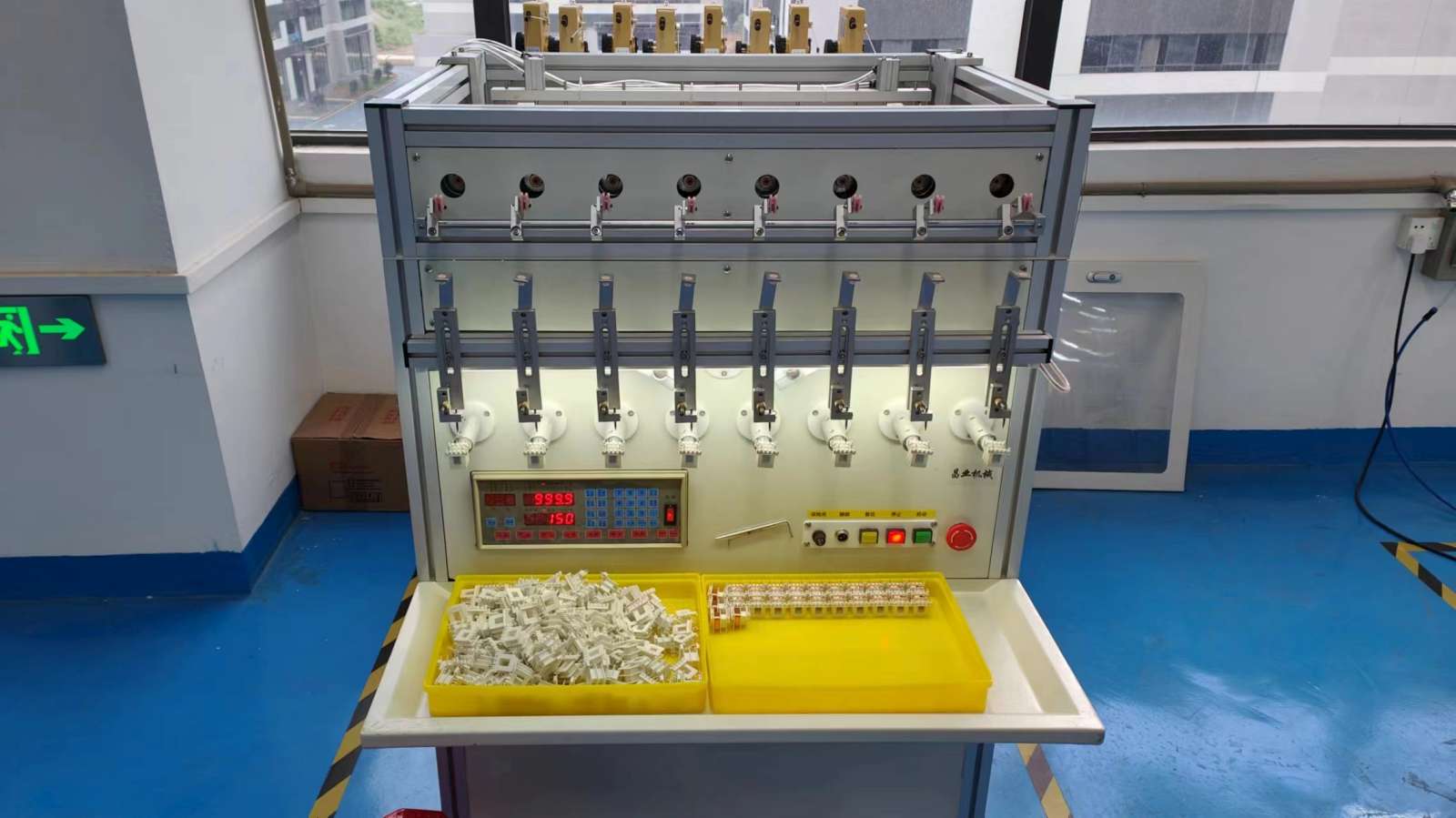
Eight-Axis Winding Tech
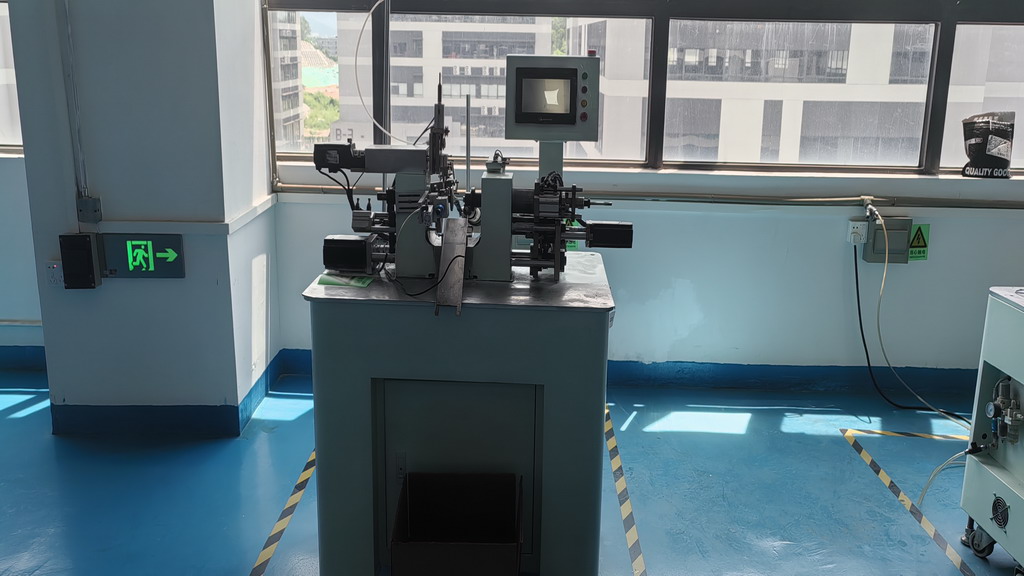
Secondary Winding Control
Why do global developers and engineers select Chinese manufacturers like Zentar for their critical infrastructure needs? The advantage lies in cost, technology, and scale:
1. Direct Component Supply Chains: We source top-grade silicon steel sheet cores, high-purity copper windings, and high-strength casting resins locally. This vertical integration allows us to keep raw material costs lower than European or North American competitors.
2. Advanced Automation: By incorporating multi-axis automated coil winding machines, automatic soldering stations, and real-time computer-assisted testing, we minimize human error and ensure uniform magnetic properties across every production run. This automation results in tighter tolerance controls for phase angle error (Class 0.2s / 0.5s).
3. Tailored Global Delivery: With decades of export experience, we are skilled at navigating international logistics, helping our clients clear customs and deliver critical components to regional projects in West Africa and Mauritania efficiently.
Our custom thermal-epoxy formulations withstand continuous ambient temperatures of up to 55°C without cracking, maintaining insulation class standards under Mauritanian conditions.
From low agricultural pumps to high-voltage industrial feeders, our CT core profiles are dynamically matched to prevent premature core saturation.
How our advanced metering and voltage transformers support different sectors in Mauritania's Gorgol Region.
Along the Senegal River near Kaédi, electric irrigation pumps require constant monitoring. Our split-core current transformers measure active power draw to protect pumps from dry runs, overloading, and voltage fluctuations, reducing operational downtime.
As commercial centers grow, local markets require individual billing. Our mini-current transformers integrated into intelligent temperature-meter collectors provide precise billing records, helping municipal power distribution operators reduce unaccounted-for losses.
To power rural communities surrounding Kaédi, hybrid solar-diesel microgrids are becoming more common. Our Rogowski coils and highly sensitive CT units provide the dynamic data needed to balance generation outputs with local load demands.
Browse our selection of medium-voltage, low-voltage, split-core, and cast-resin distribution transformers built for global power utility projects.
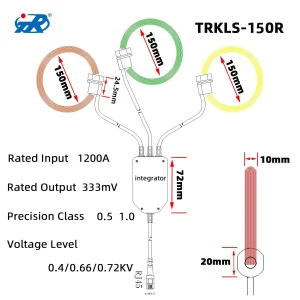
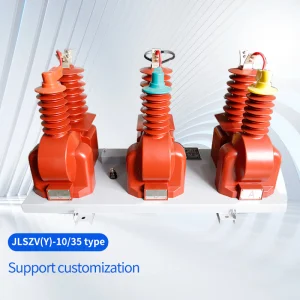
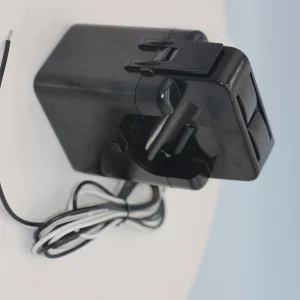
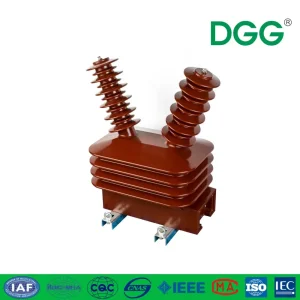
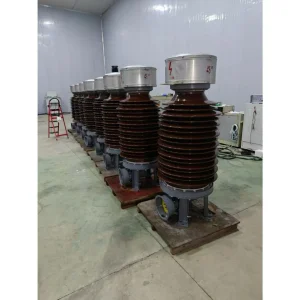
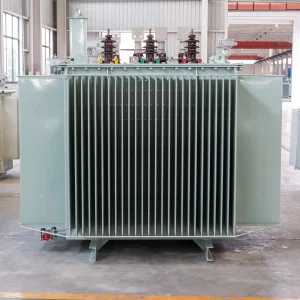
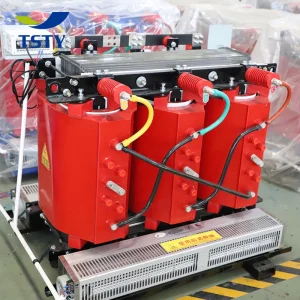
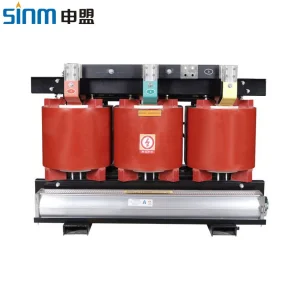
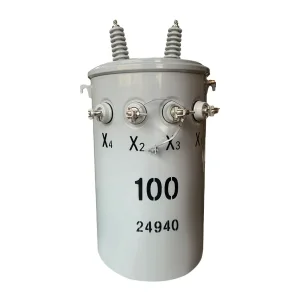
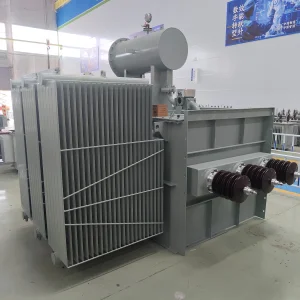
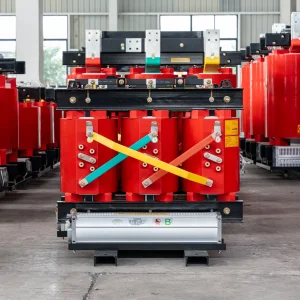
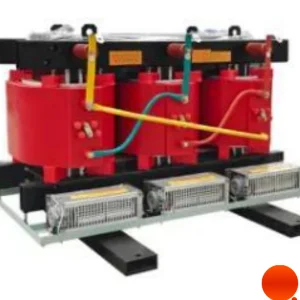
Key technical parameters global engineers must specify when sourcing current sensing instruments.
Sourcing current sensors for distribution networks requires balancing accuracy, phase shift, environmental durability, and cost. Procurement managers should evaluate three key metrics:
For revenue billing, IEC 61869-2 Class 0.2s or Class 0.5s transformers are standard. These specifications ensure precision even down to 1% of the rated current. High-performance cores made of nanocrystalline or premium silicon steel minimize core loss and prevent saturation, maintaining reliability during grid faults.
If current phase data is used for power factor monitoring, phase angle errors must remain tight (under 30 minutes for Class 0.5). Sizing the CT's rated output burden (in Volt-Amperes, VA) to match the secondary loop impedance prevents distortion and ensures optimal sensor performance.
Equipment deployed in inland regions like Gorgol must feature high protection classes (IP65/IP67 for outdoors), UV stabilization, and high thermal class insulation (Class F or H). These features prevent moisture ingress and dielectric breakdown during seasonal sandstorms and temperature fluctuations.
Technical explanations regarding current transformer selection, installation, and deployment in challenging climates.
The "s" designation (e.g., Class 0.2s) indicates the transformer maintains its high accuracy across a wider load range. While standard Class 0.2 units are calibrated for 50% to 120% of rated current, Class 0.2s units maintain their precision down to 1% of the nominal current. This makes them ideal for grids with variable loads, such as solar microgrids in Kaédi.
Split-core CTs feature a separable magnetic core that can open and close around an active conductor. This design allows technicians to install sensors on existing primary cables without disconnecting the power line, reducing installation time and avoiding service interruptions for agricultural or commercial operations.
Extreme heat increases winding resistance and accelerates the thermal degradation of the insulation resin. At high operating temperatures, core saturation occurs at lower currents, leading to measurement errors. Zentar® CTs feature Class F epoxy resin and temperature-compensated designs to prevent thermal drift up to 55°C.
CT burden is the total impedance connected to the secondary winding, including the meter and connection cables, measured in Volt-Amperes (VA). If the loop resistance exceeds the CT's rated burden capacity, the output signal becomes saturated and accuracy drops. Choosing low-loss CTs or using 1A secondary outputs instead of 5A helps minimize losses over longer cable runs.
Rogowski coils are excellent for transient monitoring and high-current harmonic analysis because they do not saturate. However, because they lack a magnetic core, their output voltage requires active integration and is generally less suited for revenue billing than magnetic core current transformers (which naturally produce a proportional current output).
IATF 16949 is an international quality standard developed for the automotive industry. It requires rigorous process controls, traceability, defect prevention, and reliability testing. Sourcing CTs from an IATF 16949 certified facility like Zentar® ensures consistent performance and longer service lives for grid infrastructure components.
 Smrtr Technology