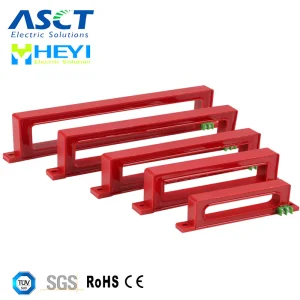
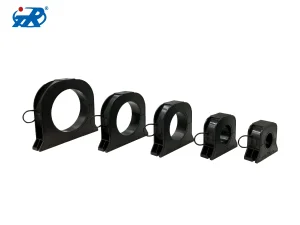
Optimized for standard utility frequencies (50Hz/60Hz) and retrofittable inside space-constrained switchgears across Lesotho's key industrial sites.
Zero Phase Current Transformers (ZPCTs) serve as the cornerstone of electrical system safety by identifying micro-level leakage currents that signify insulation failures. In the Southern African Development Community (SADC) region, particularly in Lesotho, the demanding topography and unique electrical conditions dictate rigorous specifications for magnetic core materials. At elevation, reduced air density alters dielectric properties and heat dissipation limits. Consequently, conventional current transformers often suffer from saturation, phase errors, and thermal aging.
Our Ultra-thin Zero Phase Current Transformers are systematically engineered to mitigate these issues. By implementing nanocrystalline core matrices and advanced single-conductor insulation wrapping, we guarantee precise leakage detection (down to milliamperes) even in the presence of strong electromagnetic noise. This document outlines the application parameters, localized challenges, and industrial performance matrices of ZPCT technology in Lesotho's expanding grid.
Lesotho's electrical architecture is undergoing an intense structural transition. The nation, famously situated entirely above 1,400 meters elevation, relies on a mix of local hydro-generation (such as the Muela Hydropower Plant under the Lesotho Highlands Water Project) and cross-border power imports. Managing ground faults under these conditions presents unique challenges:
Operating deep pits and processing heavy ore requires vast quantities of low and medium voltage energy. Heavy vibrations, dusty environments, and frequent high-load equipment switching trigger significant transient spikes. A reliable ZPCT must withstand these system noises to prevent false tripping, while reliably isolating actual insulation breakdown in heavy pumps and conveyor systems.
Lesotho’s industrial apparel factories operate high-speed automated loom networks. Standard residual current devices (RCDs) often trigger nuisance trips because of the high harmonics created by variable speed drives (VFDs). Our ultra-thin, low-voltage zero phase current transformers are calibrated to filter out high-frequency noise, ensuring safety compliance without halting assembly lines.
With national solar PV initiatives gaining traction in rural zones like Mafeteng, monitoring leakage current at the DC/AC inverter stage is critical to prevent dangerous fire hazards in local community grids.
Choosing the correct core material dictates the responsiveness and precision of the transformer. The following matrix illustrates the performance gains of our high-end core configurations:
Fujian Smrtr Technology Co., Ltd. Zentar® is a leading global manufacturer of premium magnetic components designed specifically for electrical safety and precision power measurement. Founded in 1993, Zentar has spent three decades pioneering high-accuracy current transformers. We support industrial markets globally, including specialized infrastructure upgrades within Lesotho and SADC.
With over 410 highly trained specialists operating out of our main production hubs in Fujian and Xiamen, we maintain an annual production capacity of 50 million magnetic components and 5 million completed electrical safety modules. Our dedicated R&D division, led by accomplished professors and 20 senior application engineers, continually delivers custom-engineered solutions that meet the rigid environmental constraints of high-altitude electrical networks.
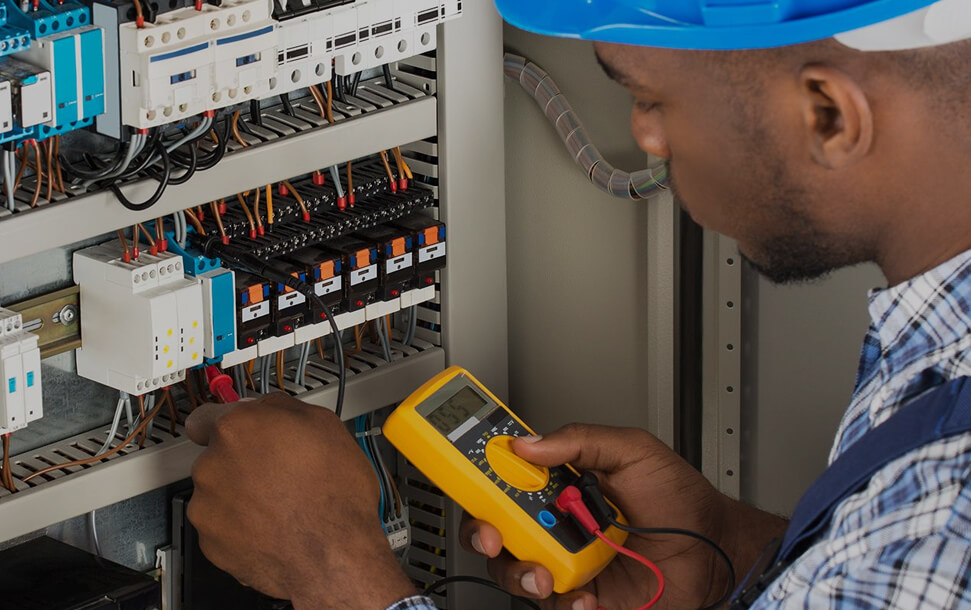
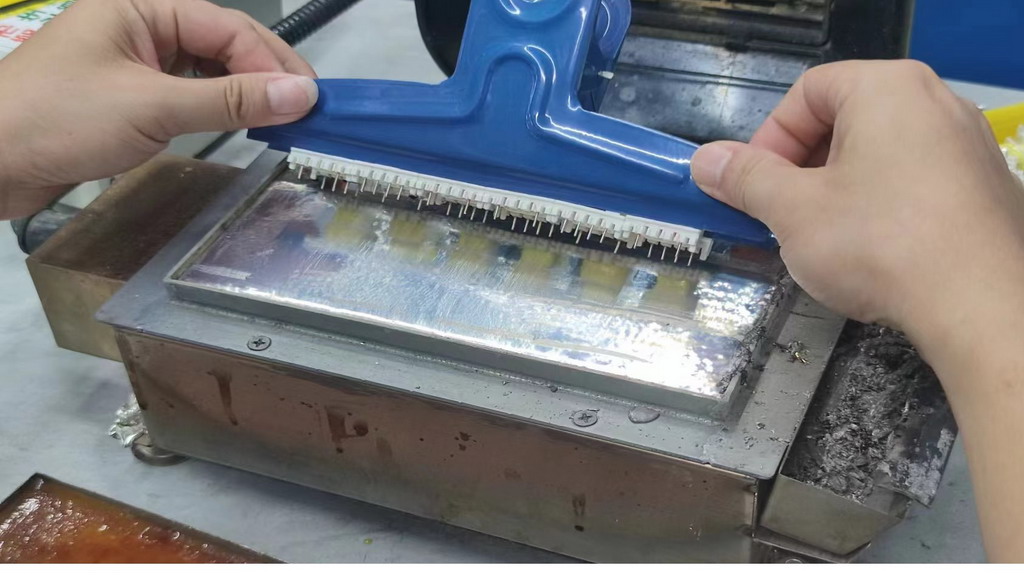
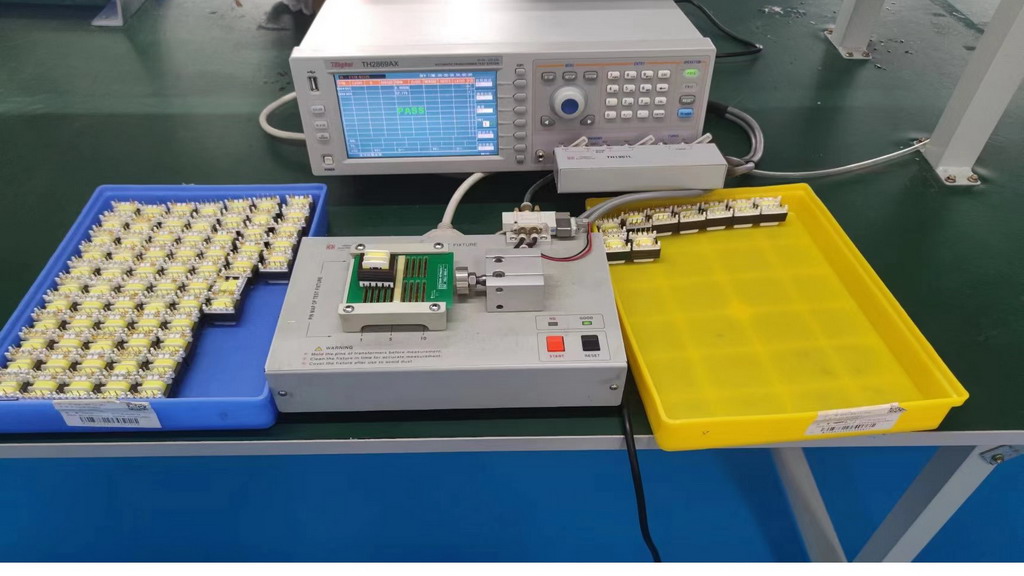
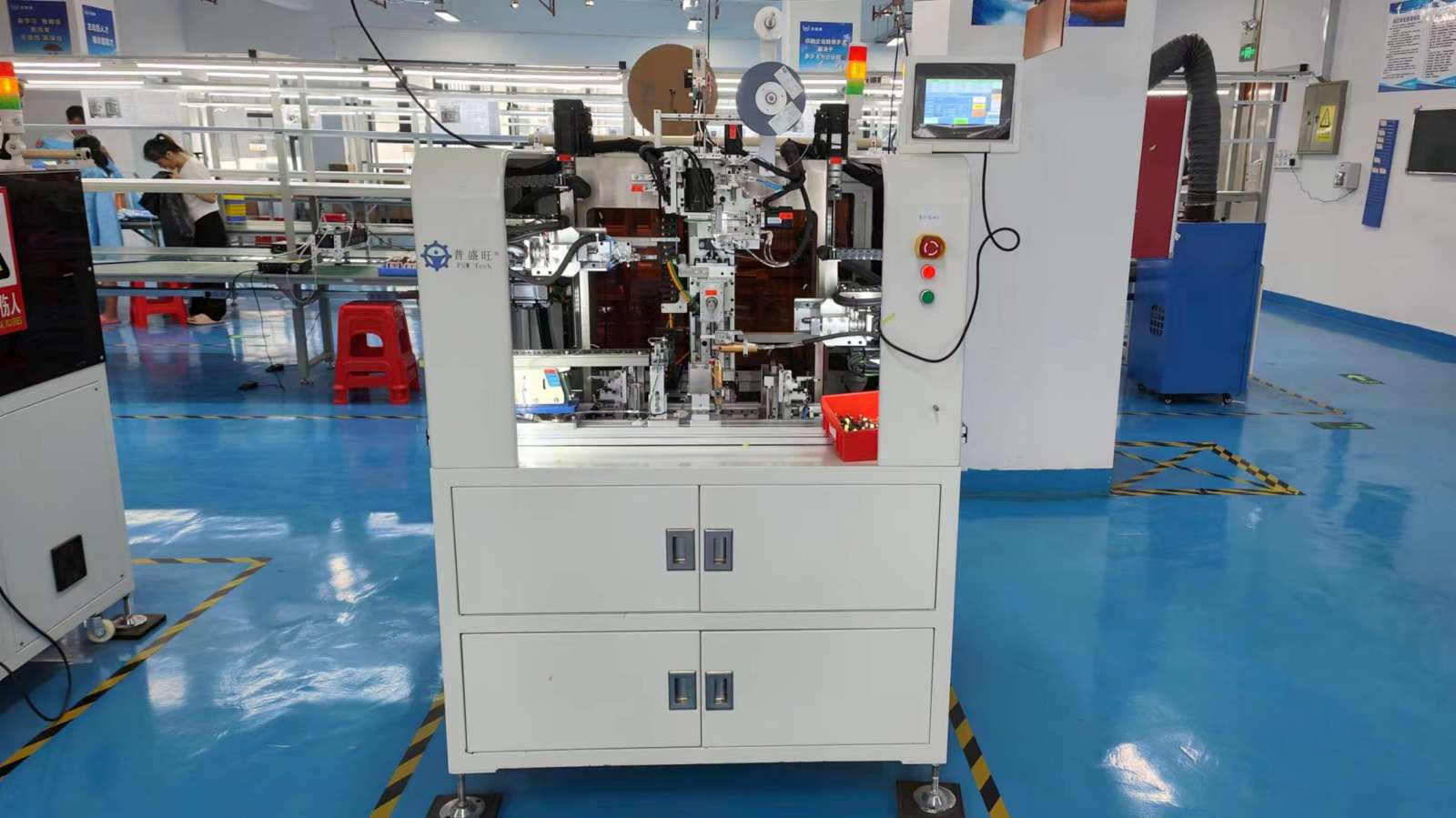
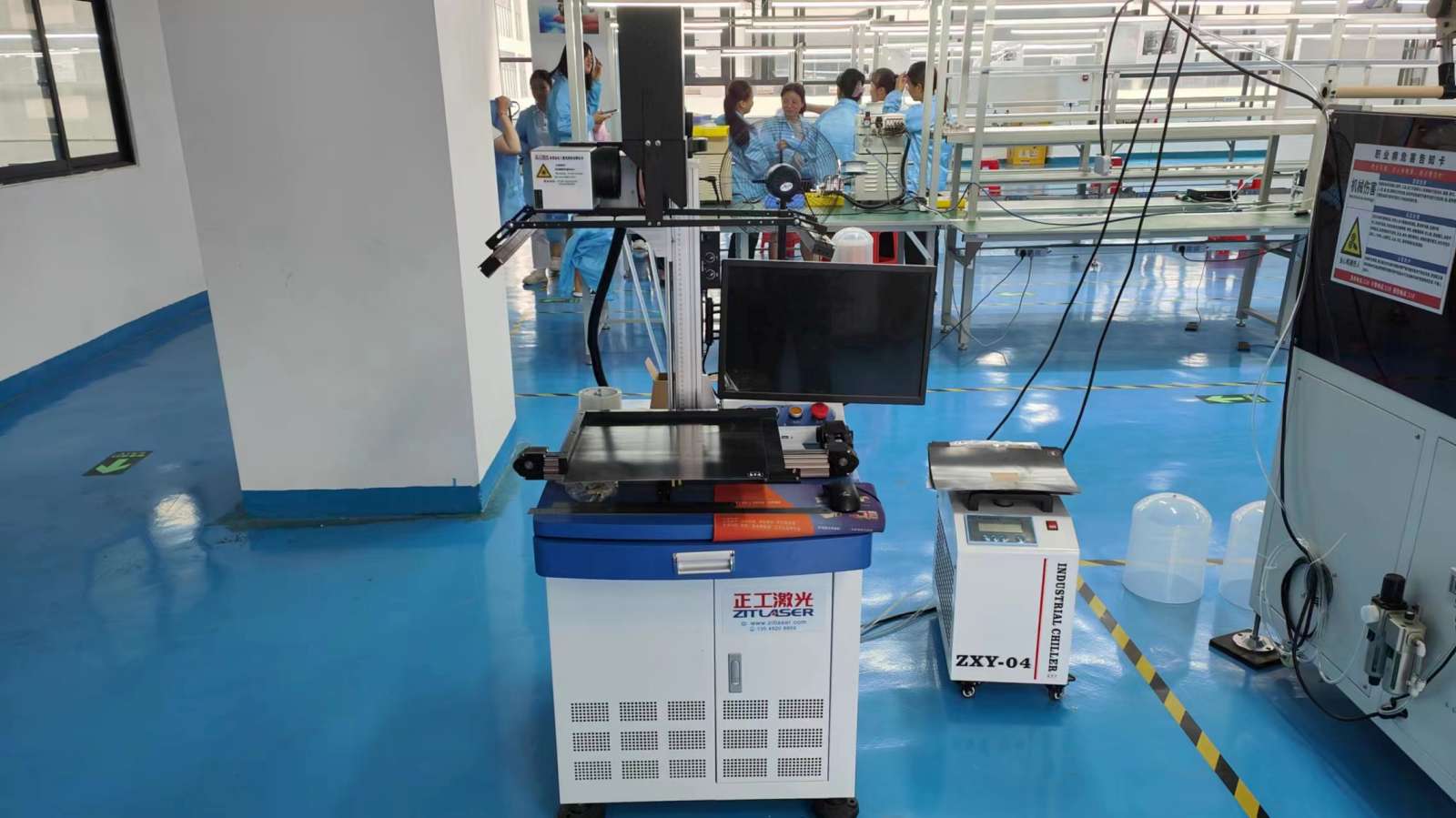
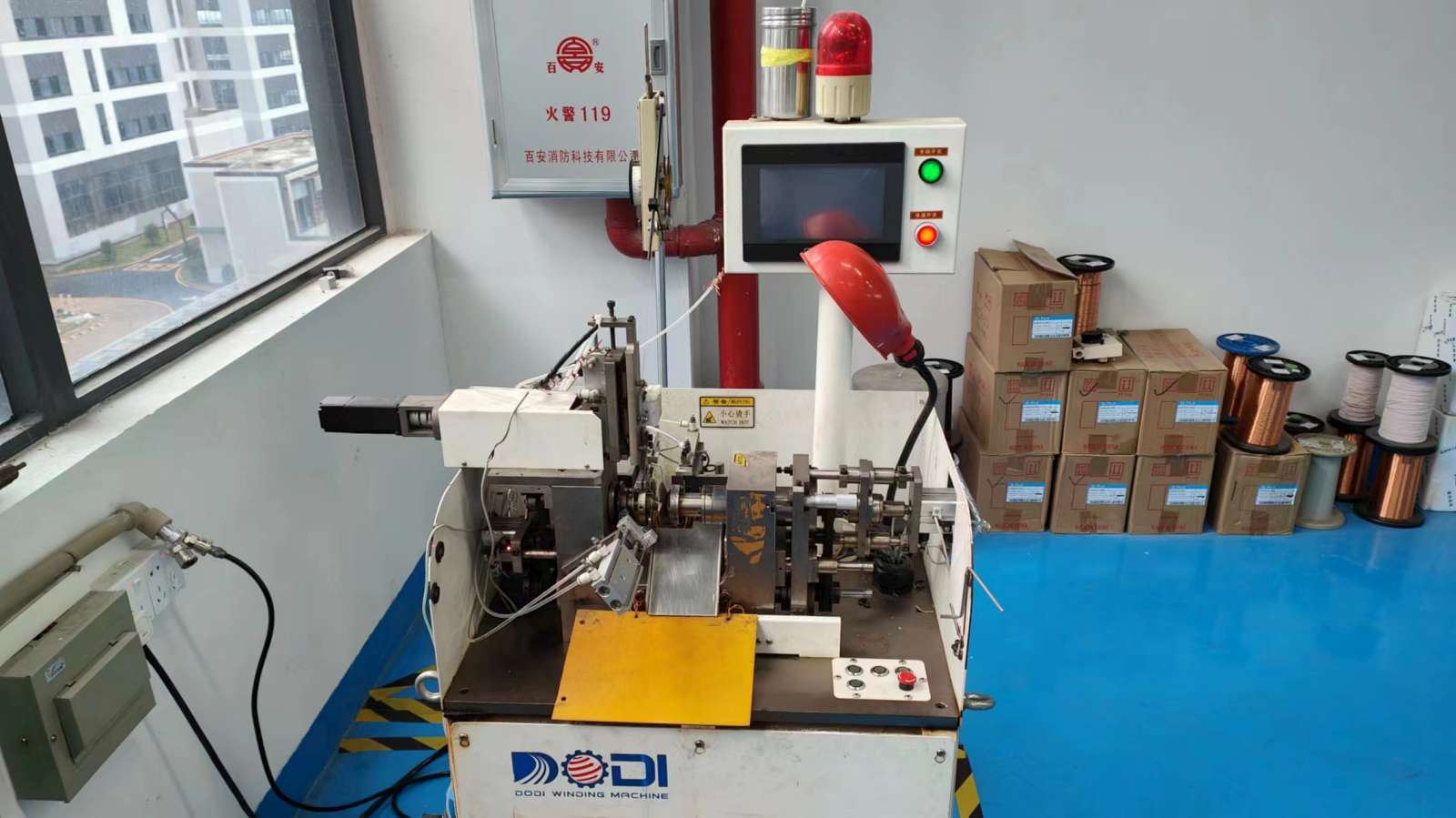
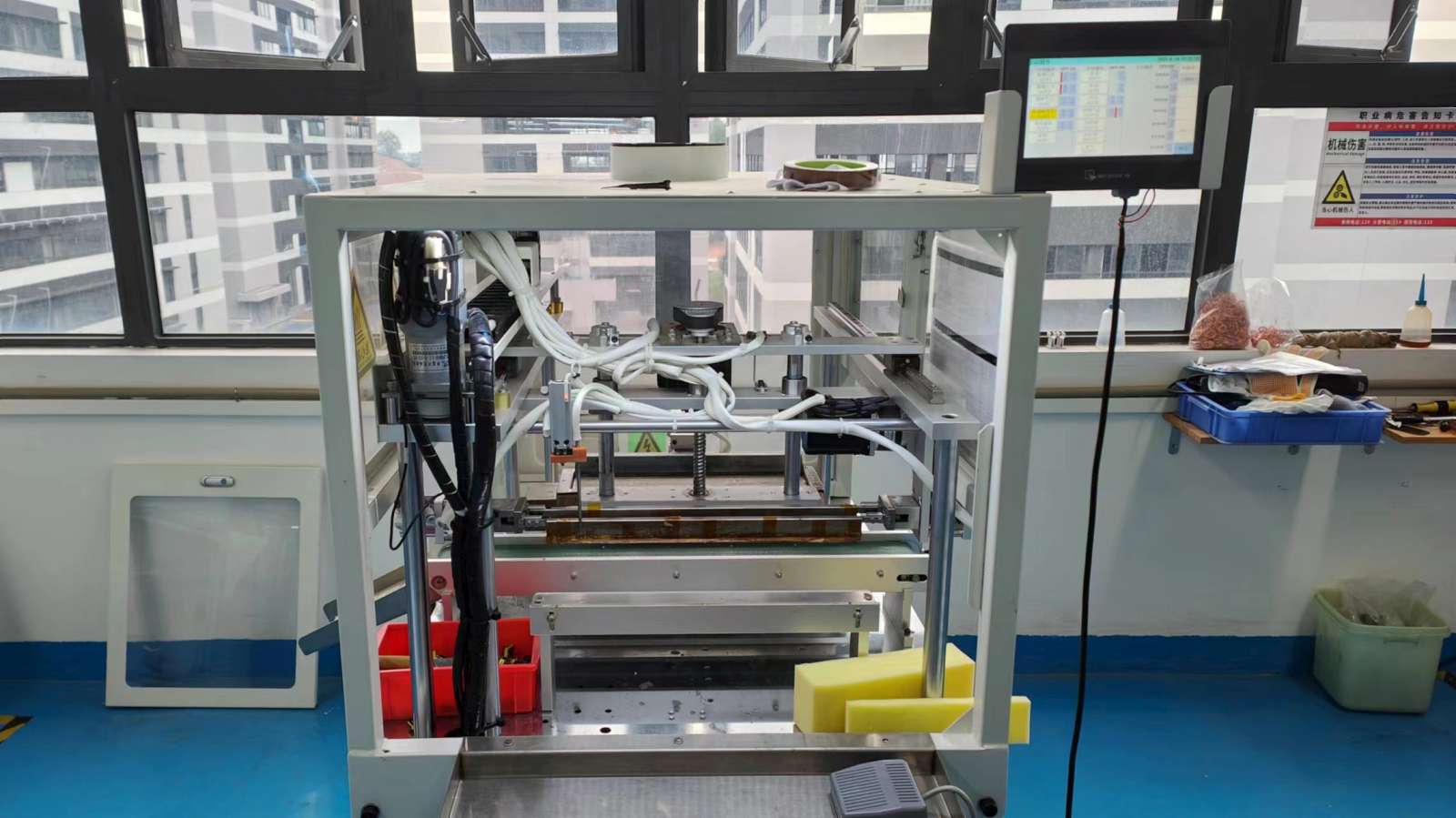
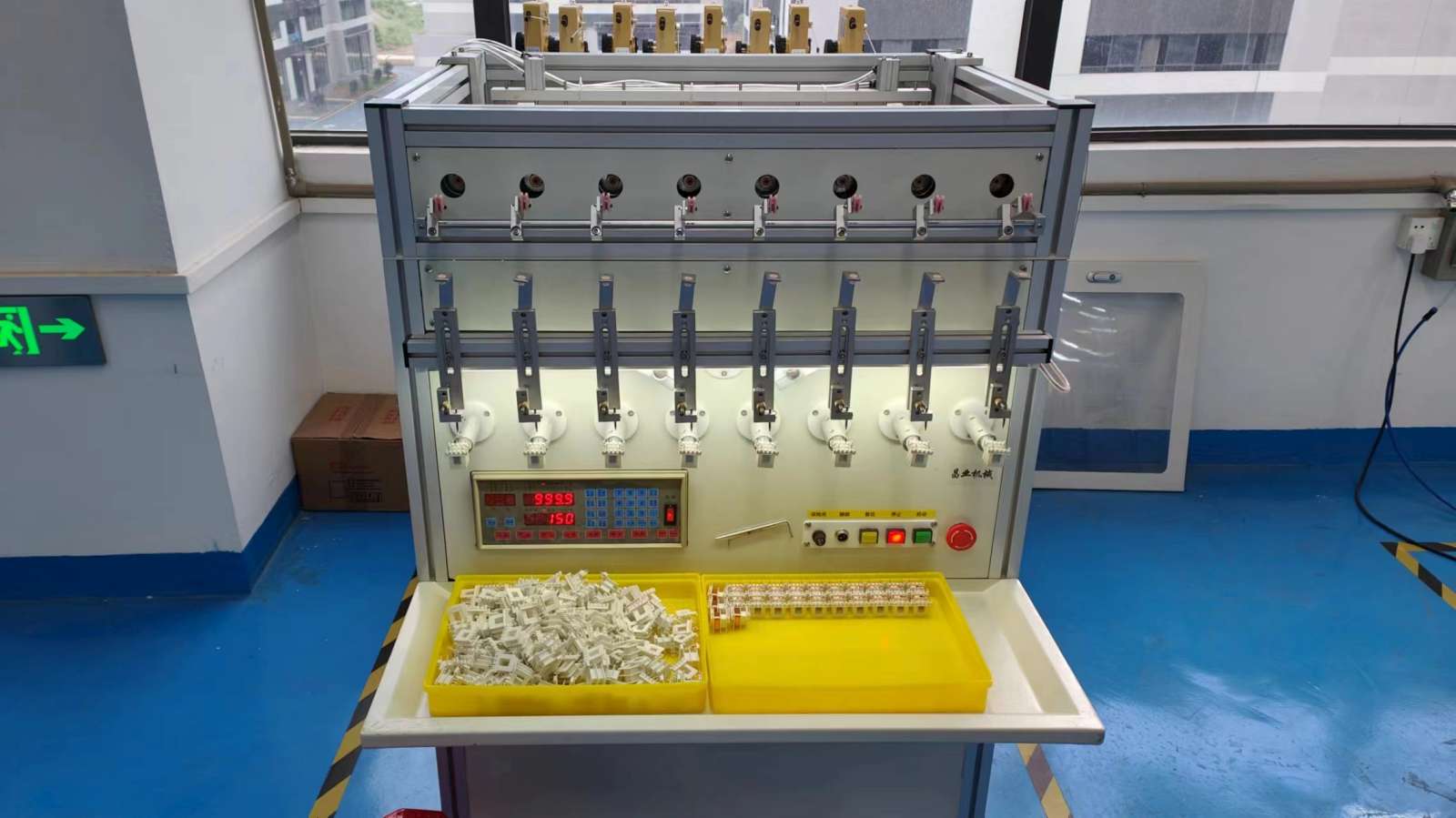
To guarantee zero-defect shipment of current sensors to Lesotho, our ISO9001-compliant production line implements comprehensive automatic testing and precision winding. Below is a tour of our core manufacturing steps:
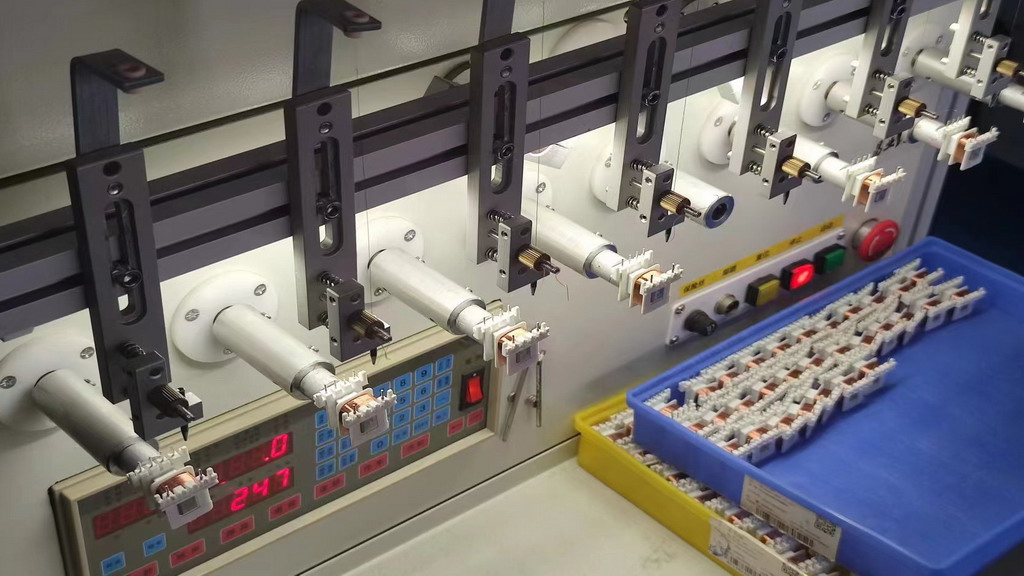
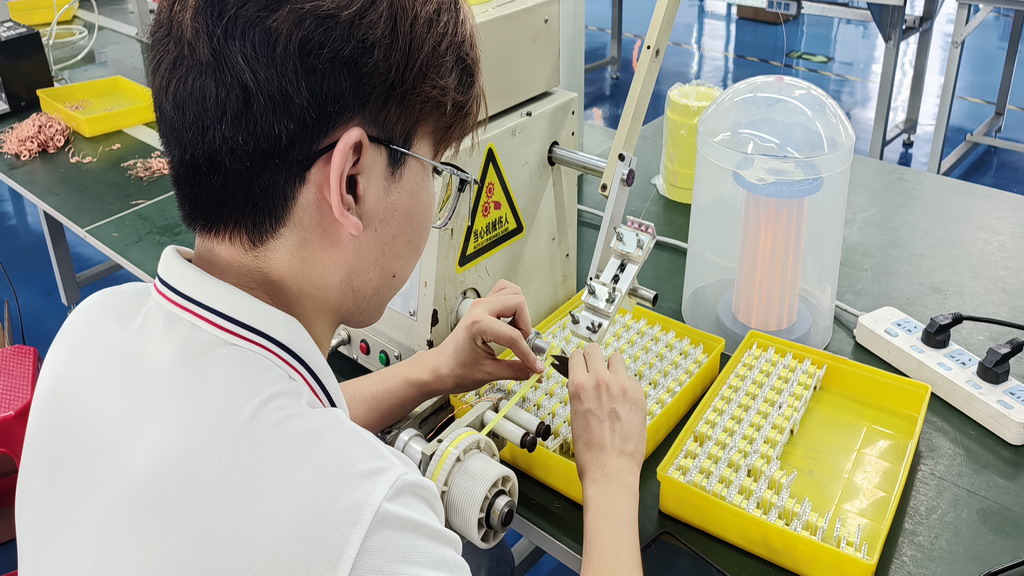
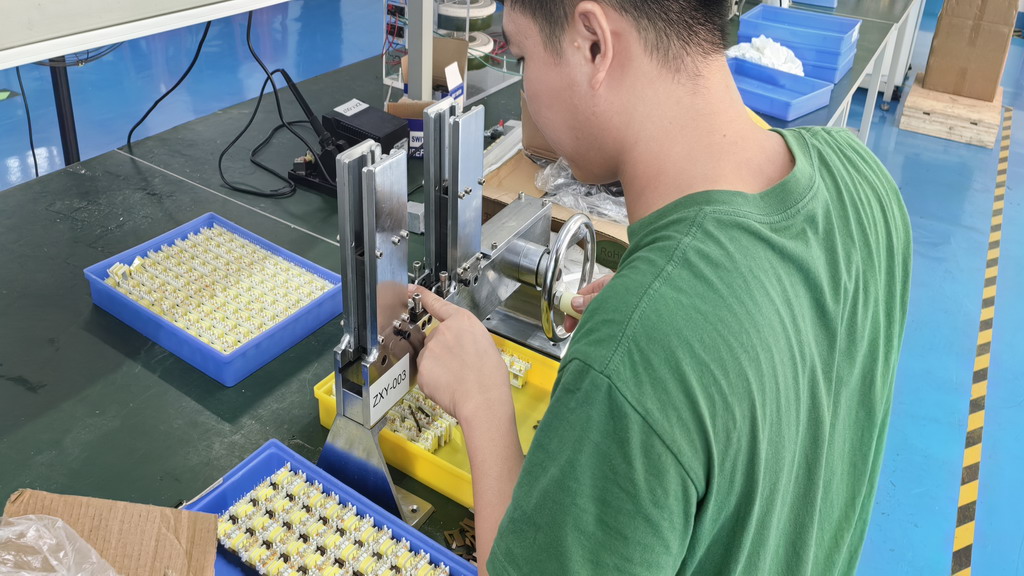

As Southern Africa transitions to Smart Grid Standard (IEC 61850), the role of current transformers shifts from static safety devices to active, communicative grid edge endpoints. Zentar's tech roadmap outlines our transition towards smart energy infrastructure:
Procuring heavy electrical components for Lesotho requires streamlined logistics and adherence to regional certifications. Our factory coordinates global transit channels, routing bulk items efficiently through Durban Port before completing inland transport to main distribution points like Maseru, Maputsoe, or Mafeteng.
Standard Alignment: All ZPCTs shipped to Lesotho comply with IEC 61869-2, IEC 60044-1, and are aligned with South African Bureau of Standards (SABS) and Eskom grid protection parameters. This ensures immediate system approval by local municipal engineers.
Raw Material Resilience: Backed by our customized ERP system implemented in 2008, we track batch components in real-time. This guarantees short lead times even for custom dimensions and high-turn count winding configurations.
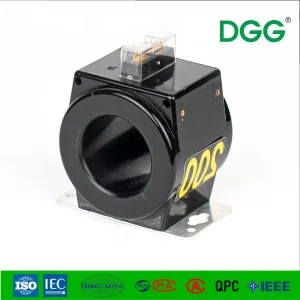
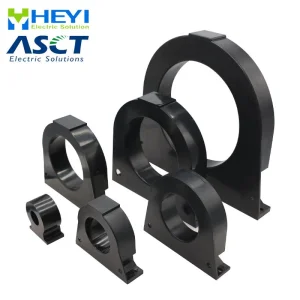
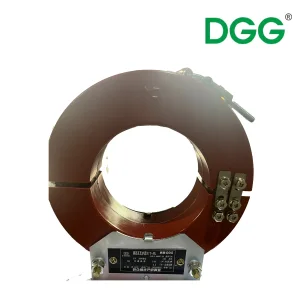
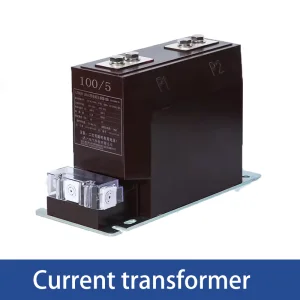
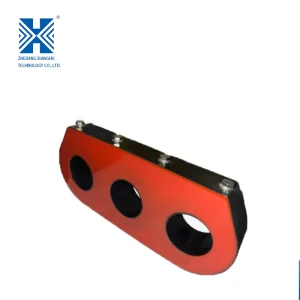
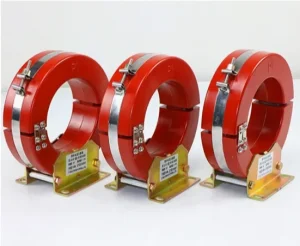
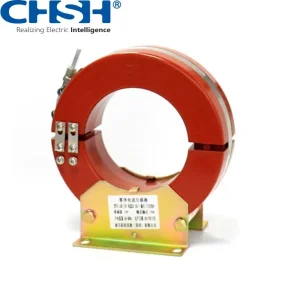
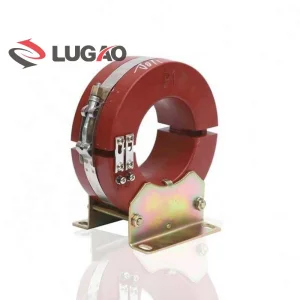
Below is our core production series. These modules are widely used in fire monitoring, panel boards, and protective relays.
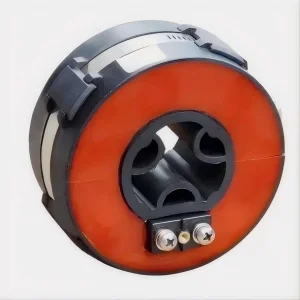
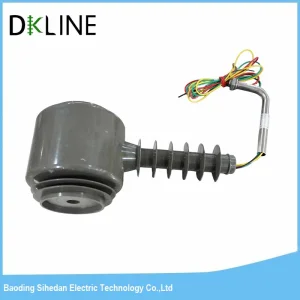
We also manufacture the following specialized models to meet various installation standards:
 Smrtr Technology