Why Does My Solid Wood Furniture Make Popping Noises?

Time:2026-04-09 Author:Liam
0%

Many homeowners wonder, "why is my solid wood furniture making popping noises?" This common issue can stem from various factors. Daniel Walker, a renowned furniture maker and expert in woodcraft, states, "Wood is a living material; it expands and contracts with changes in humidity." As the seasons change, wood responds to its environment, causing these unexpected sounds.

When wood furniture is exposed to fluctuating humidity and temperature, it reacts. The popping noises often arise from joints or knots being stressed. It's a natural reaction, yet it can be unsettling. Observing these sounds closely can offer clues about the furniture's condition. For instance, irregular pops may indicate that your piece is adjusting, but repeated cracking could signal potential problems.

Understanding this phenomenon is essential for any wood furniture owner. Engaging with an expert, like Daniel, could ease worries about these noises. It's important to remember, though, that while these sounds are normal, regular maintenance is key. Living with wooden furniture means embracing its unique character, flaws included. Wouldn't it be fascinating to learn more about the stories behind these popping sounds?
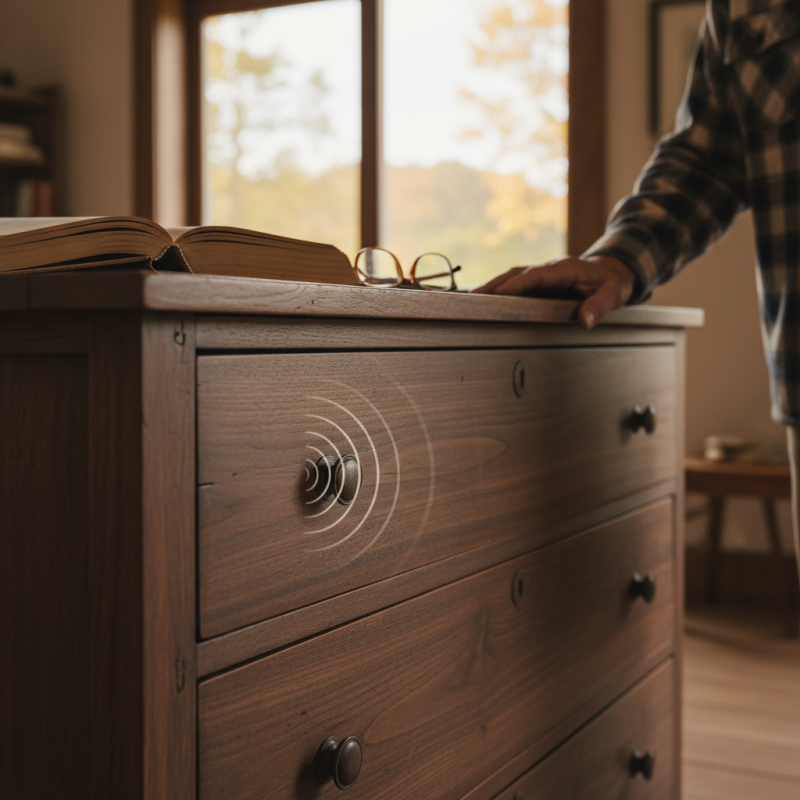
Why Does My Solid Wood Furniture Make Popping Noises?

Understanding Popping Noises in Solid Wood Furniture

Popping noises in solid wood furniture can be quite puzzling for many homeowners. These sounds are often a result of natural changes. Wood is a living material that responds to environmental factors. Temperature and humidity levels can cause the wood to expand and contract, resulting in audible pops or cracks.

When wooden pieces dry out or absorb moisture, they shift. This movement often manifests as popping noises. For example, a sudden change in room temperature can exacerbate this effect. Seasonal variations also play a significant role in the behavior of wood. It's essential to monitor humidity levels in your home, as excessive dampness or dryness can lead to more frequent popping sounds.

Listening to these noises can sometimes prompt concern. However, it's often normal. If your furniture is structurally sound, these sounds usually carry no long-term risks. Still, it's worth noting that maintaining consistent conditions can lessen these effects. Consider using a humidifier or dehumidifier to stabilize your home's atmosphere. This proactive approach can support the longevity of your furniture while addressing those curious pops you hear.

Common Causes of Popping Sounds in Wood

Popping sounds in solid wood furniture can be puzzling. Many homeowners experience this issue, but the reasons behind it are often misunderstood. One of the primary causes is the natural expansion and contraction of wood due to changes in temperature and humidity. As the wood absorbs moisture, it swells. When it dries, it contracts, leading to those characteristic pops.

Another common reason for these noises is the joint construction. Different types of joints can create tension within the wood. When pressure builds up, a sudden release can create a popping sound. This is particularly common in older furniture or pieces that have seen many seasonal changes. It’s essential to regularly check the integrity of joints and consider how environmental factors affect them.

Lastly, improper maintenance might also contribute to the noise. Lack of oil or polish can cause wood to dry out and tighten in unusual ways. This can lead to the sound when the furniture shifts. Reflecting on your care routine could lead to better treatment for your beloved pieces. Regularly inspecting for cracks or other issues will help you understand your furniture's needs.

Environmental Factors Impacting Wood Behavior

Solid wood furniture is known for its beauty and durability, but often it can emit popping noises. These sounds can be frustrating and puzzling. One key reason lies in environmental factors that significantly affect wood behavior.

Changes in humidity and temperature can cause wood to expand and contract. In dry seasons, wood loses moisture, leading to shrinkage. This can create tensions within the grain. When conditions change, the wood adjusts, resulting in popping or cracking sounds. A drop in humidity can be especially problematic, as it can make the joints creak.

Another aspect to consider is the finish of the wood. Certain finishes can trap moisture in the wood fibers. When wood swells or shrinks, this can create pressure. The result? Unwanted popping noises. Careful monitoring of your home’s humidity levels can help. Using a humidifier may also aid in maintaining a stable environment for your furniture. A bit of understanding and adjustments can reduce these surprising sounds.

How Humidity and Temperature Affect Wooden Furniture

Humidity and temperature significantly impact solid wood furniture. Wood is a natural material that reacts to environmental changes. High humidity can cause wood to swell, while low humidity often leads to shrinkage. This fluctuation can create popping noises as stress builds up within the wood structure.

To minimize these noises, maintain a stable environment. Aim for indoor humidity levels between 30-50%. Use a humidifier during dry months and a dehumidifier in humid seasons. This control helps keep your furniture intact.

Regularly check temperature settings in your home. Ideal temperatures range from 60°F to 75°F. Extreme heat can dry out the wood, making it more susceptible to cracking. You might notice differences in sound based on seasonal changes. Keep an eye out and adjust your environment accordingly.

Be aware that small gaps may develop, leading to additional noises. If the popping persists, consult a furniture professional for advice. Taking proactive steps can ensure the longevity of your beloved pieces.

Solutions to Minimize Popping Noises in Solid Wood

Popping noises in solid wood furniture can be frustrating. These sounds often occur due to natural wood movement. Changes in humidity and temperature cause the wood to expand and contract. According to industry studies, over 60% of solid wood furniture owners report encountering such noises. This common phenomenon, while annoying, can be addressed effectively.

To minimize popping noises, maintaining consistent humidity in your home is crucial. Ideal indoor humidity levels should range between 30% and 50%. Using a humidifier in dry seasons can help. Additionally, placing your furniture away from direct heat sources is essential. Consider adjusting your room's temperature gradually, allowing the wood to acclimate without sudden shifts.

Applying furniture polish or wax can also create a protective barrier. Regular maintenance not only enhances appearance but can reduce friction that causes noise. If the popping persists, reassess the furniture's placement. Ensuring it is level can prevent undue stress on joints. A well-adjusted piece of furniture is less likely to make unwanted sounds over time.

Why Does My Solid Wood Furniture Make Popping Noises? - Solutions to Minimize Popping Noises in Solid Wood

Cause Description Solution
Temperature Changes Solid wood can expand and contract due to changes in temperature. Keep furniture in a climate-controlled environment to minimize fluctuations.
Humidity Levels High humidity can cause wood to absorb moisture, resulting in movement. Use a dehumidifier in humid conditions and ensure proper ventilation.
Wood Movement Wood fibers can move as they settle, causing popping noises. Allow the furniture to acclimate to its environment before using it.
Improper Assembly Loose joints or faulty assembly can lead to movement and noise. Check and tighten screws and joints regularly to maintain stability.
Worn Finish A worn finish can lead to wood exposure and increased friction. Reapply finish as needed to protect the wood and reduce noise.

FAQS

: Why does my solid wood furniture make popping noises?

: Popping noises are often caused by wood expanding and contracting due to changes in temperature and humidity.

How do environmental factors affect furniture sounds?

High humidity can cause wood to swell, while low humidity leads to shrinkage, creating stress and resulting in popping.

Is it normal to hear popping sounds in wooden furniture?

Yes, these sounds are typically normal if the furniture is structurally sound and well maintained.

What can I do to reduce popping noises?

Maintaining indoor humidity levels between 30-50% and controlling temperatures can help minimize these noises.

Can furniture finishes impact popping sounds?

Yes, certain finishes can trap moisture, and when wood adjusts, this can create pressure and popping noises.

Should I be worried if popping noises continue?

If sounds persist, it's wise to consult a furniture professional for further advice and assessment.

How can I monitor humidity levels in my home?

Use a hygrometer to check humidity and consider utilizing a humidifier or dehumidifier as needed.

Are there seasonal variations in wood behavior?

Yes, seasonal changes often lead to differences in sound due to fluctuating humidity and temperature levels.

What temperature range is best for wooden furniture?

Keeping indoor temperatures between 60°F and 75°F helps prevent drying and cracking in wood.

Can small gaps form in wooden furniture?

Yes, gaps may develop over time, which can result in additional noises and should be monitored.

Conclusion

Solid wood furniture is beloved for its durability and aesthetic appeal, but many owners often find themselves asking, "why is my solid wood furniture making popping noises?" Understanding the reasons behind these sounds is essential for proper care. Popping noises typically stem from the natural behavior of wood as it expands and contracts with variations in humidity and temperature. Environmental factors play a significant role, with changes in moisture levels causing the wood fibers to move and create audible sounds.

To minimize these popping noises, it is important to maintain a stable environment for your furniture. Keeping indoor humidity levels consistent and avoiding extreme temperature fluctuations can help reduce the impact on the wood. Additionally, using furniture polish can provide a protective layer, potentially diminishing the occurrence of such noises. By recognizing the causes and implementing preventive measures, you can better care for your solid wood furniture and enjoy its beauty without the disturbance of popping sounds.

Liam

Liam

Liam is a dedicated marketing professional with a profound expertise in the industry, where he excels at highlighting the unique advantages of our core products. With a keen understanding of market trends and consumer needs, Liam frequently updates our company’s professional blog, providing......