Top 10 Signs of High Quality Upholstered Furniture to Know?

Time:2026-05-16 Author:Aria
0%

When searching for quality upholstered furniture, it's essential to recognize what are the signs of high quality upholstered furniture. Investing in well-made pieces can enhance your living space and ensure durability. But how can you tell if the furniture you’re considering is truly high quality?

One major indicator is the frame construction. A solid wood frame provides strength and longevity. Attention to detail in upholstery also matters. Look for even stitching and high-quality fabrics. Furthermore, consider the foam and cushioning materials. High-quality options offer comfort and retain their shape over time. However, not all furniture labeled as “high quality” meets these standards. It's crucial to research and compare.

Finally, don’t forget to test the furniture before buying. Sit on it, feel the materials, and check the functionality. Beware of flashy sales; sometimes, the worst quality hides behind a great deal. Prioritize knowledge and experience to make a wise choice, ensuring your investment lasts for years to come.
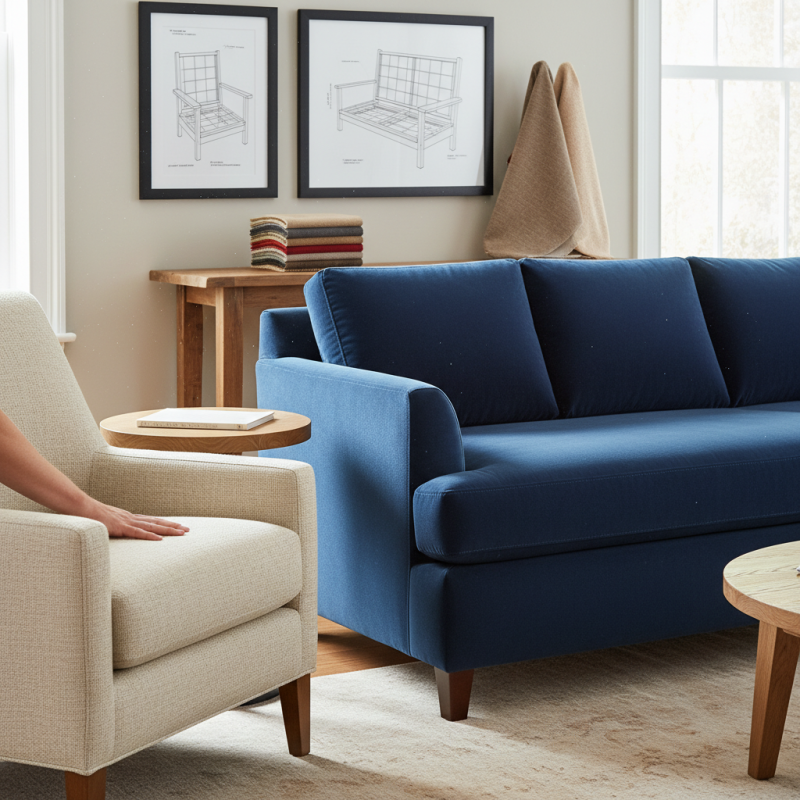
Top 10 Signs of High Quality Upholstered Furniture to Know?

Signs of Quality Fabric: Durability and Maintenance Considerations

When selecting upholstered furniture, the quality of the fabric plays a crucial role. High-quality fabrics exhibit durability that withstands daily use. Look for materials like tight weaves and robust threads. They should resist fraying and fading over time. Less durable fabrics can lead to quick wear and need frequent replacements.

Consider maintenance as well. Some fabrics require special cleaning methods, which may not be suitable for busy households. Opt for stain-resistant fabrics for ease of cleaning. These choices save time and effort long-term.

Tips: Always test fabric samples if possible. Run your hand over the fabric to check its feel. Notice the thickness and texture. Consider how it will fit with your lifestyle. Regularly clean your furniture to preserve its appearance. This simple step enhances its lifespan. Remember, quality always matters.

Top 10 Signs of High Quality Upholstered Furniture

Sign Description Durability Considerations Maintenance Tips
High-Quality Fabric Uses materials like leather, high-denier polyester, or silk blends. Resistant to wear and tear, maintaining appearance over time. Clean with suitable fabric cleaner; avoid harsh chemicals.
Solid Wood Frame Constructed from durable hardwood like oak or maple. Offers better stability and longevity compared to particle board. Avoid excessive moisture; clean with a damp cloth.
Quality Padding Foam or down feather filling provides better comfort and shape retention. Lasts longer without losing support or softness. Rotate cushions regularly; fluff to maintain shape.
Reinforced Seams Double-stitched or taped seams prevent fraying. Reduces risk of fabric tearing at the seams. Inspect seams regularly for any signs of wear.
Quality Springs Uses high-quality coil springs for support and comfort. Provides even weight distribution and prolonged lifespan. Avoid excessive jumping or weight to prolong lifespan.
Stable Base A sturdy base that is level ensures safety and usability. Prevents wobbling or collapsing under weight. Regularly check for loose parts and tighten when necessary.
Soft Touch Finish Feels soft and luxurious; often treated for stain resistance. Holds up against everyday use and spills. Use a soft, damp cloth for regular cleaning.
Customizability Ability to choose fabric, color, and dimensions according to preference. Enhances satisfaction with personal needs and space. Consider fabric type for the intended environment.
Warranty & Return Policy Comes with a comprehensive warranty and reasonable return policy. Protects against defects and provides assurance. Review warranty details to know what’s covered.
Reputation of Craftsmanship Well-reviewed for craftsmanship and care in construction. Demonstrates commitment to quality materials and work. Seek customer reviews and feedback for quality insights.

Understanding Frame Construction: Hardwood vs. Softwood Materials

When it comes to upholstered furniture, the foundation is crucial. Frame construction plays a significant role in durability and comfort. Hardwood frames, like oak or maple, are sturdy and reliable. They resist warping and offer a longer lifespan. In contrast, softwood frames, often made from pine, can be lighter but are usually less durable. Over time, they may sag or shift.

Selecting the type of wood affects not only longevity but also overall quality. A well-constructed hardwood frame ensures that your furniture can withstand daily use without losing its shape. On the other hand, softwood may demonstrate charm but could lead to issues sooner. It's essential to consider your needs carefully. Some softwood frames may appear attractive, yet they might not hold up in the long run.

Pay attention to joinery techniques. Mortise-and-tenon joints indicate better craftsmanship than simple glue or staples. Inspect the construction meticulously, as even minor flaws can signal larger issues. A solid frame should feel heavy and substantial. If it feels light, consider it a red flag for quality. High-quality upholstered furniture begins with thoughtful frame construction.

Comparison of Frame Materials in Upholstered Furniture Quality

Importance of Padding: Types of Foam and Their Density Ratings

When evaluating high-quality upholstered furniture, padding plays a crucial role. The type of foam used can significantly affect comfort and durability. Different types of foam come with varying density ratings, which indicate their firmness and longevity. High-density foam typically lasts longer and offers superior support. It tends to conform to the body, providing both comfort and stability. This is especially important for everyday use.

In contrast, low-density foam may feel soft initially, but it can sag quickly. This leads to less support over time. Buyers should consider how often they will use the furniture. For occasional use, softer foam might suffice. For daily use, high-density options are advisable. Remember, not all padding is created equal. A great piece of furniture might have beautiful upholstery but could lack quality padding.

Reflect on your choices and needs before making a purchase. Test different furniture pieces to feel the difference in padding. Sometimes, trusting your instincts can lead to better decisions. Fragile foam can lead to disappointing experiences later. Aim for furniture that balances comfort and durability, ensuring it meets your lifestyle.

Expert Insights on Stitching Techniques: Double vs. Single Stitch

When choosing upholstered furniture, stitching techniques play a crucial role in determining quality. One common debate is between double and single stitching. Double stitching offers enhanced durability. It features two lines of stitches, which create a more secure seam. This technique is often found in high-end pieces. It can withstand daily wear and tear better than single stitch options.

Single stitching, while often sufficient, may not provide the same strength. A single thread can unravel more easily. This is particularly concerning in furniture intended for heavy use. However, some artisans prefer single stitching for its aesthetic appeal. It can create a cleaner look with less visible stitching. This choice can appeal to those who prioritize design over durability.

Assessing stitching quality isn't always straightforward. Sometimes, even apparent double stitches may not be as robust. Quality of materials used matters greatly. The right thread can make a difference in how well seams hold up over time. It’s essential to consider both the technique and the overall build of the furniture. This knowledge empowers consumers to make informed choices that align with their lifestyle needs.

Evaluating Upholstery Springs: Coil vs. Sinuous Spring Systems

When evaluating upholstered furniture, the type of springs used is crucial. Two primary spring systems are commonly found in quality furniture: coil springs and sinuous springs. Coil springs are known for their durability and ability to provide even support. They are usually more expensive but can offer a better seating experience. Sinuous springs, on the other hand, are often more cost-effective and can create a softer sitting surface. However, they may lose support over time.

In practice, choose furniture with strong, well-made coil springs for longevity. Look for springs that are spaced close together, as this enhances comfort and durability. Sinuous springs can be suitable, but check their material quality. Some sinuous springs might not hold up well under heavy use.

Tips: Always sit on the piece before buying. Feel the bounce and support. A slight sag indicates poor quality. Don't hesitate to ask for details about the spring system. Knowing the differences can help you make informed choices. Remember, the initial investment in quality springs often pays off in comfort and durability.

FAQS

: What should I look for in fabric quality?

: Choose tight weaves and robust threads. They resist fraying and fading well.

How can I maintain upholstered furniture?

Opt for stain-resistant fabrics. Regular cleaning is essential to maintain appearance.

What type of frame is better, hardwood or softwood?

Hardwood frames are sturdier and last longer. Softwood frames may sag over time.

How important is joinery in frame construction?

Good joinery techniques indicate quality. Mortise-and-tenon joints are preferable to glue.

What foam density should I choose for comfort?

High-density foam offers better support. It lasts longer and conforms to your body.

Can low-density foam be a good choice?

Low-density foam may feel soft but sags quickly. Consider your usage frequency.

How can I tell if a frame is high quality?

A solid frame feels heavy. Light frames may indicate poor construction quality.

Should I test furniture before buying?

Yes, always test samples. Feel the fabric and padding to assess comfort.

What if the furniture looks great but feels cheap?

Aesthetics matter, but comfort and durability are key. Don’t compromise on quality.

How often should I clean my upholstered furniture?

Regular cleaning extends its lifespan. Don’t wait for visible stains to act.

Conclusion

When considering what are the signs of high quality upholstered furniture, several key factors come into play. Firstly, the durability and maintenance of the fabric significantly influence its quality; high-quality fabrics resist wear and are easier to clean. Understanding frame construction is also crucial, as hardwood frames offer superior strength compared to softwood alternatives. Additionally, high-quality upholstered furniture should feature adequate padding, with foam types and their density ratings directly affecting comfort and longevity.

Expert insights on stitching techniques, particularly the comparison between double and single stitching, reveal that double stitching enhances durability and resilience. Finally, evaluating the upholstery springs is essential, as coil systems generally provide more support than sinuous spring systems. By considering these factors, consumers can better identify high-quality upholstered furniture that will stand the test of time.

Aria

Aria

Aria is a dedicated marketing professional with a deep passion for innovative strategies and a keen understanding of our company's product offerings. With a wealth of experience in the industry, Aria excels at crafting engaging content that highlights the unique features and benefits of our......