Mixing wood tones in a single room can elevate your interior design. However, it can also be challenging. Understanding how to mix wood tones in a single room requires careful consideration. The right balance creates a warm, inviting space.
Start by selecting two or three wood tones that complement each other. Consider their undertones and grain patterns. For instance, pairing a light oak with a rich walnut can create depth. But ensure one tone remains dominant to avoid a cluttered look. Pay attention to the furniture and decor pieces you choose. They should harmonize with your selected wood tones.
It is essential to embrace imperfections. Sometimes, mismatched tones can spark creativity. Don’t shy away from experimental combinations. Observe how the light interacts with different woods throughout the day. Finding the perfect balance may take time, so stay patient. Each attempt offers a chance to refine your style and make your room uniquely yours.
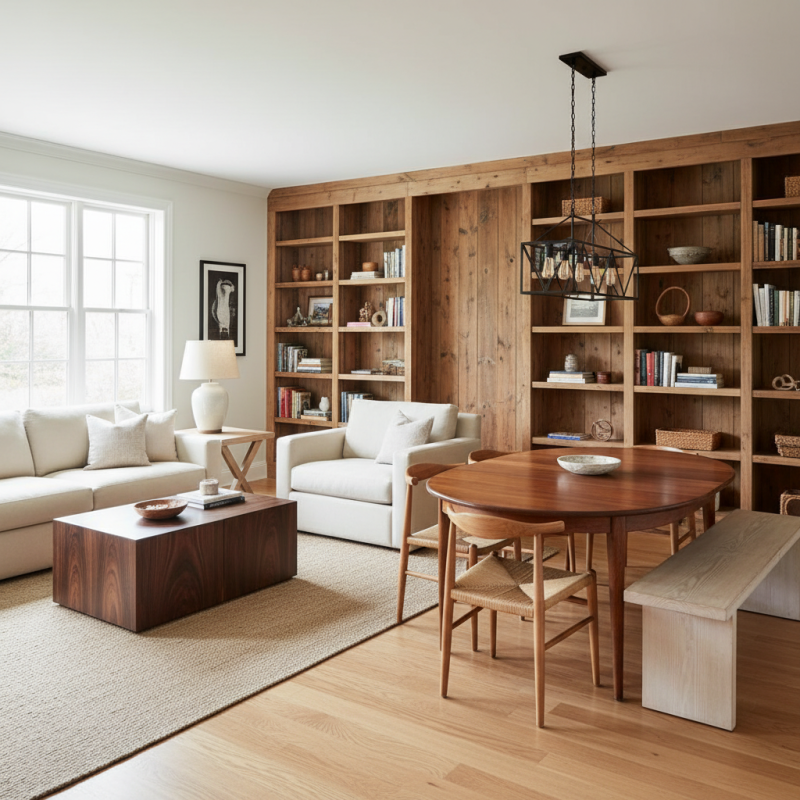
Mixing wood tones can add depth and character to any room. Understanding the color wheel is crucial for creating harmonious combinations. Wood tones can be warm, cool, or neutral. For example, cherry wood has a rich, warm hue, while oak leans more towards a neutral shade. Knowing these color relationships helps in creating a cohesive design.
When choosing wood tones, consider the underlying colors. A 2022 report by the National Wood Flooring Association revealed that 72% of homeowners prefer varied wood tones in living spaces. Using contrasting tones can create visual interest. However, balance is essential. Overdoing it can lead to chaos, undermining the room's cohesiveness. Aim for a maximum of three to four wood tones in one space.
Lighting plays a crucial role in how wood tones appear. Natural light and artificial sources can alter their visual impact. For instance, a cool light can make a warm wood appear less inviting. Understanding light's effect on color can prevent mismatched choices. Reflect on your selections. Are they creating the desired warmth? Or are they clashing? This awareness can enhance your design choices.
Choosing a dominant wood tone for your space can significantly impact the overall ambiance. According to a report by the National Wood Flooring Association, 90% of homeowners believe wood tones create a warm, inviting atmosphere. This preference is often based on personal experiences and the emotional connection wood can foster.
When selecting your primary wood tone, consider its influence on other elements in the room. Lighter woods, like maple, can open up a space and convey an airy feel. Darker tones, such as walnut, add depth and sophistication but can sometimes make a room feel smaller. It's essential to balance these tones to achieve cohesion without overwhelming the space.
Using multiple wood tones can be tricky. A color guide by Wood Magazine highlights that sticking to a consistent undertone is crucial. Warmer shades can clash with cooler ones, creating an unpleasant visual experience. Mixing too many variations may not yield the harmonious look you desire. Reflect on past experiences and adjust your choices accordingly to enhance the overall design.
Mixing different wood tones in a room can create a rich and inviting atmosphere. To achieve balance, select wood tones that complement each other. Consider the undertones of each wood type. For instance, warm tones like oak can blend well with cooler tones like walnut. This variety enhances depth and interest.
One effective tip is to choose a dominant wood tone. This can be the flooring or the largest furniture piece. Use smaller accent pieces to introduce contrasting tones. For example, a dark coffee table can stand out against lighter shelves. This creates a cohesive look while allowing each piece to shine.
Experimenting with different textures is another approach. A smooth surface can contrast beautifully with a rough-hewn finish. This combination adds visual interest. Don’t be afraid to layer wood tones in decor items, such as picture frames or decorative bowls. However, avoid overcrowding the space with too many colors. Finding the right balance might take some trial and error. Trust your instincts and reflect on what feels right in your space.
| Tip No. | Mixing Technique | Description | Example |
|---|---|---|---|
| 1 | Start with a Dominant Tone | Choose one primary wood tone to anchor the room. | Use an oak dining table as the focal point. |
| 2 | Vary the Shades | Incorporate light and dark wood tones for contrast. | Pair a dark walnut shelf with light pine accents. |
| 3 | Use Different Types of Wood | Mix hardwoods with softwoods for dynamic textures. | Combine cherry wood chairs with a cedar coffee table. |
| 4 | Create a Cohesive Look | Choose wood tones that complement each other. | Match oak with maple for a warm palette. |
| 5 | Incorporate Accent Pieces | Add small wooden elements to tie the room together. | Use wooden coasters or bowls in a different tone. |
| 6 | Consider the Grain Patterns | Mix woods with different grain patterns for interest. | Use a straight-grain table with a wavy-grain cabinet. |
| 7 | Balance Warm and Cool Tones | Combine warm woods like mahogany with cooler options like ash. | Create a harmonious blend with balanced tones. |
| 8 | Use Rugs to Define Spaces | Rugs can help differentiate wood tones and areas. | An area rug can soften contrasting tones. |
| 9 | Don’t Overdo It | Limit the number of wood tones to avoid chaos. | Opt for three to four complementary tones maximum. |
| 10 | Experiment and Have Fun | Try out different combinations to find what you love. | Play with different arrangements and styles. |
Mixing different wood types can create a rich and inviting atmosphere in any room. The key is to find harmony among the various tones. Start by identifying a dominant wood tone to anchor the space. For instance, using light oak as the base can set a warm foundation. Then, introduce darker woods, like walnut or mahogany, for contrast. This can create depth and interest in your design.
Consider the grain patterns too. Mixing woods with similar grain styles can unify the look. Matching grains helps maintain a cohesive feel. You can also play with finishes. For example, a matte finish can soften the appearance of a shiny wood piece and promote balance. Remember that proximity matters. Grouping similar wood tones together can enhance their appeal.
Don't be afraid to experiment. Getting this right is often a process of trial and error. Sometimes, a piece may look great alone but feel jarring in the space. Reflect on how each wood type interacts with natural light. The way wood reacts to light can change its appearance significantly. Adjusting placements can lead to surprising results.
Mixing wood tones in a room creates depth and visual interest. The right fabrics and decor can enhance these tones beautifully. A report from the American Home Furnishings Alliance indicates that 72% of consumers prioritize texture and layering in their home design. This means that prioritizing fabrics can transform a space significantly.
Incorporating textiles like woven throws and patterned cushions can bring warmth to your wooden elements. Pair soft neutral colors with bolder wood tones for a balanced look. Look for fabrics that complement the wood grain. Velvets and linens work well in softening the hard surfaces. Don’t shy away from contrasting fabrics, but ensure they align with your overall aesthetic.
Consider natural decor pieces as accents. A woven rug can tie together various wood tones. Wall art showcasing natural landscapes provides a serene backdrop. Layering these elements can create a cohesive design without overwhelming the space. Remember that too many competing styles may lead to a chaotic vibe. Focus on harmony and let each wood tone shine while enjoying the dynamics of texture.
: Wood tones can add depth and character, creating a warm and inviting atmosphere.
The color wheel helps create harmonious combinations by showing relationships between color shades.
Aim for three to four wood tones to maintain balance. Overdoing it can create chaos.
Natural and artificial light can change how wood tones look, affecting their warmth and inviting nature.
Choose a dominant wood tone and use smaller accents to introduce contrasting tones for balance.
Combine smooth surfaces with rough textures to create visual interest and prevent monotony.
Yes, reflecting helps ensure that your selections create the warmth and vibe you desire in the room.
Absolutely, mixing and matching may require trial and error to find what feels right for your space.
Avoid overcrowding the space with too many colors, as it can disrupt the cohesiveness of the design.
If they clash, reassess your selections. The goal is to create harmony and not to overwhelm the space.
Mixing wood tones in a single room can create a warm and inviting atmosphere when done thoughtfully. Start by understanding the color wheel and the relationships between different wood tones; this knowledge helps in selecting a dominant wood tone that will set the mood for your space. Once you have a primary wood type in mind, consider incorporating complementary tones to achieve a balanced look.
To maintain harmony, mix different wood types by observing their grains and colors, ensuring they work together rather than clash. Accessorizing with fabrics and decor that enhance the chosen wood tones can further elevate the overall aesthetic. By following these guidelines on how to mix wood tones in a single room, you can achieve a cohesive and stylish interior design.

Smrtr Technology