Why is Ergonomic Furniture Essential for Remote Work in 2026?

Time:2026-05-11 Author:Charlotte
0%

In 2026, the shift to remote work remains significant. Many professionals now spend extended hours at home, making ergonomic furniture essential. Studies show that 75% of remote workers experience discomfort due to poor seating. This discomfort can lead to reduced productivity and increased health issues.

So, why is ergonomic furniture better for working from home? Ergonomic designs promote better posture. They ensure that chairs and desks support the natural alignment of the body. This support can reduce the risk of chronic pain. Many reports indicate that employees with ergonomic setups report a 20% increase in work efficiency.

Moreover, investing in ergonomic furniture is not just a comfort issue; it's a health imperative. Poor ergonomics can lead to serious health problems over time. These can include musculoskeletal disorders that affect the neck, back, and wrists. Reflecting on these statistics emphasizes the importance of integrating ergonomic solutions into your home workspace for long-term well-being.
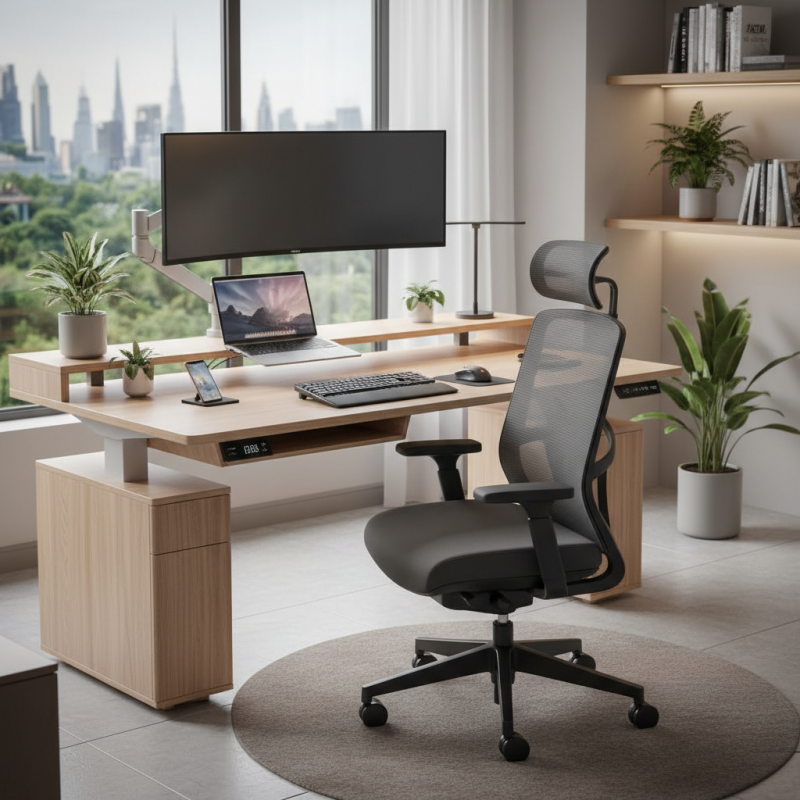
Why is Ergonomic Furniture Essential for Remote Work in 2026?

The Rise of Remote Work: Trends and Predictions for 2026

The trend of remote work has gained significant momentum over the last few years. By 2026, it is expected to evolve even further. More companies are embracing flexible work arrangements. Employees appreciate the comfort of working from home. However, this shift brings new challenges. A proper home office setup is essential for productivity.

Ergonomic furniture plays a crucial role in this setup. It minimizes discomfort and prevents long-term health issues. A well-designed chair supports the spine. An adjustable desk allows for standing or sitting as needed. These details improve focus and efficiency. Many remote workers overlook these aspects. They might settle for comfort over functionality, which can lead to problems down the line.

Creating an ideal workspace at home requires thoughtful planning. Space should be dedicated to work, free from distractions. Decor matters; calming colors can boost mood. There’s also the challenge of maintaining boundaries with family or roommates. In this evolving workspace landscape, both employers and employees must prioritize well-being to achieve success.

Understanding Ergonomics: The Science Behind Comfort in Workspaces

In the evolving landscape of remote work, ergonomics plays a crucial role in health and productivity. Understanding how our bodies interact with furniture helps create optimal work environments. Ergonomic furniture is not just about aesthetics; it significantly affects comfort. A well-designed chair supports the natural curve of the spine, reducing back pain. Desks that adjust in height can accommodate sitting and standing, promoting better circulation.

However, not everyone embraces ergonomic principles. Many may overlook the importance of proper desk setups. A laptop placed too low can strain the neck. Poorly positioned monitors lead to eye strain. Workers might avoid investing in ergonomic solutions, citing cost or aesthetics, but these choices can have long-term consequences.

The science of ergonomics is simple yet profound. It emphasizes that comfort enhances focus and efficiency. When we feel good, we work better. Small adjustments can lead to noticeable improvements. A cushioned chair or an adjustable desk can make all the difference. Investing in ergonomic furniture is an act of self-care in a demanding digital age.

Benefits of Ergonomic Furniture for Remote Work in 2026

The Impact of Poor Posture: Statistics on Health Issues and Productivity

Remote work has become the norm, especially in 2026. Many workers spend long hours in front of screens. Poor posture during these hours can have serious consequences. Studies suggest that 80% of individuals experience back pain, and this can lead to decreased productivity. The discomfort doesn't just affect physical health; it impacts mental well-being too.

Statistics reveal that poor ergonomics contribute to reduced focus and efficiency. Workers with aches and pains often feel distracted. This can result in missed deadlines and lower quality output. Ergonomic furniture can help address these issues. Investing in an ergonomic chair or desk can significantly improve posture and comfort levels.

But many individuals overlook these essential purchases. Some may not realize the long-term benefits. While ergonomic options may seem costly upfront, they are often worth the investment. Proper posture leads to fewer breaks and less fatigue. It's crucial to create a workspace that promotes health and productivity. Ignoring this can result in more significant issues down the line.

Investing in Ergonomic Furniture: Cost-Benefit Analysis for Employers

In 2026, the remote work landscape continues to evolve. Employers are increasingly aware of the impact of physical workspace on productivity. Investing in ergonomic furniture is pivotal. It enhances worker comfort and overall performance. Yet, many companies still hesitate. They often underestimate long-term benefits.

The cost of ergonomic furniture may seem high initially. However, studies suggest it reduces employee fatigue and minimizes health issues. A well-designed chair can prevent musculoskeletal disorders. This leads to fewer sick days and higher morale. In the long run, healthier employees contribute more effectively. Such furniture could be seen as an investment in employee well-being, not just an expense.

However, the transition to ergonomic solutions isn’t without challenges. Budget constraints and lack of knowledge can hinder decision-making. Some employers overlook the importance of trial periods. Employees may have different preferences. Feedback is essential to ensure the right choices are made. By understanding these dynamics, companies can make informed decisions about their workplace environment.

Future Innovations in Ergonomic Design: What to Expect by 2026

As we approach 2026, the demand for innovative ergonomic furniture will grow. With remote work becoming the norm, comfort is vital. Future designs will likely integrate smart technology. Imagine chairs that adjust automatically based on your posture and preferences. These features promise to enhance productivity while preventing long-term health issues.

Details matter in ergonomic design. A study may show a 20% boost in focus with a well-designed workspace. Future desks will likely include built-in adjustments for standing versus sitting. Interaction with your environment can improve mood and reduce fatigue. Designers will need to consider not just form, but function.

However, challenges remain. Accessibility in design must not be overlooked. Ergonomic solutions should be tailored for everyone. The balance between aesthetics and functionality is always delicate. As the remote work landscape evolves, so too must our approach to creating supportive environments.

FAQS

: What has contributed to the rise of remote work in recent years?

: A significant trend toward flexible work arrangements has made remote work more popular.

How can a proper home office setup impact productivity?

A good setup minimizes discomfort, leading to improved focus and efficiency during work hours.

Why is ergonomic furniture important for remote workers?

Ergonomic furniture helps prevent long-term health issues and supports better posture.

What are common mistakes remote workers make regarding their workspace?

Many prioritize comfort over functionality, which can lead to health problems later.

How can decor affect a home workspace?

Calming colors and organized spaces can boost mood and enhance productivity.

What are the risks associated with poor posture for remote workers?

Poor posture can lead to back pain, decreased productivity, and mental stress.

Why might some workers neglect ergonomic purchases?

Many don’t recognize the long-term benefits or view ergonomic items as too costly initially.

How does poor ergonomics affect job performance?

Discomfort can distract workers, resulting in missed deadlines and reduced quality of work.

What role do boundaries play in a home workspace?

Setting boundaries with family or roommates is crucial to maintain focus and efficiency.

What should remote workers prioritize for success?

Both health and well-being should be prioritized to foster a productive work environment.

Conclusion

The article "Why is Ergonomic Furniture Essential for Remote Work in 2026?" explores the increasing prevalence of remote work and the necessity of ergonomic furniture to support this shift. As trends suggest that remote working will continue to rise, understanding the principles of ergonomics becomes crucial. Poor posture can lead to significant health issues and decreased productivity, underscoring why is ergonomic furniture better for working from home.

Investing in ergonomic solutions not only enhances employee well-being but can also result in long-term cost savings for employers through reduced healthcare costs and increased productivity. Looking ahead to 2026, advancements in ergonomic design promise to create even more innovative and comfortable workspaces, further supporting the health and efficiency of remote workers.

Charlotte

Charlotte

Charlotte is a seasoned marketing professional with a deep understanding of the company's portfolio and a passion for elevating its presence in the market. With a keen eye for detail and a commitment to excellence, she ensures that our professional blog is regularly updated with insightful articles......