How to Ensure Long Term Stability of Current Transformers?

Time:2026-08-14 Author:Henry
0%

Current transformers play a crucial role in electrical systems. They provide accurate current measurements that are essential for monitoring and protecting electrical equipment. However, ensuring their long-term stability is often overlooked. Understanding how to maintain current transformers for long-term stability is vital for avoiding costly downtimes and ensuring safety.

Regular maintenance practices include inspecting the insulation and connections. A worn-out insulation can lead to failures. Checking the physical condition of the transformer is equally important. Any signs of corrosion or damage should be addressed immediately. Environmental factors, such as humidity and temperature, can influence performance. Thus, maintaining an optimal environment is key.

Despite best efforts, some challenges remain. Aging transformers may still exhibit issues, despite thorough inspections. This highlights the importance of a proactive approach. Continuous training and knowledge sharing about best practices can enhance reliability. Ultimately, achieving lasting stability requires not just maintenance but a commitment to excellence and adaptability in handling emerging issues.
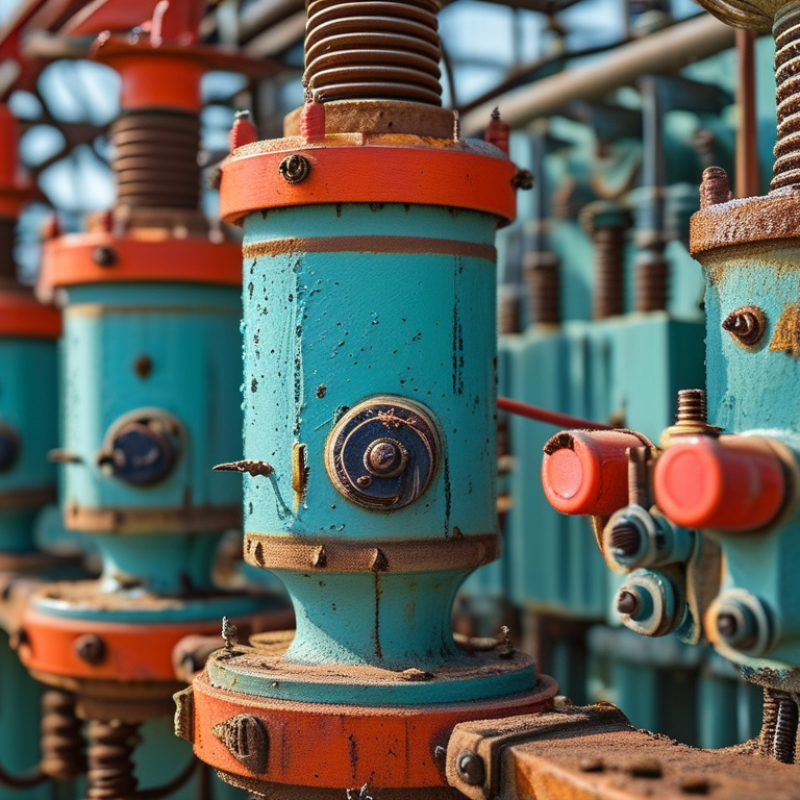
How to Ensure Long Term Stability of Current Transformers?

Understanding the Basics of Current Transformers and Their Functions

Current transformers (CTs) are essential components in electrical systems. They measure high currents by producing a lower, manageable output. This ability allows devices to monitor electrical load effectively. Understanding their function is crucial. CTs protect equipment and ensure safety by providing accurate current information.

However, maintaining CTs can be challenging. Environmental factors like temperature and humidity can affect their performance. Regular inspections are vital. If a CT shows signs of wear, it might fail to provide accurate readings. Awareness of such issues is necessary. Even minor variances can lead to bigger problems in electrical management.

The design of CTs allows for flexibility in various applications. Yet, it also poses certain limitations. Users must consider calibration and installation carefully. Incorrect setup may result in erroneous measurements. A reflective approach to current transformer usage can enhance their lifespan. Over time, ensuring their stability can involve routine evaluation and adjustments.

Identifying Factors That Affect the Stability of Current Transformers

Current transformers (CTs) are vital components in electrical systems. Their long-term stability relies on various factors that must be carefully managed. Environmental conditions play a significant role. High humidity can lead to insulation degradation. Conversely, extreme temperatures can affect accuracy. Regular inspections are essential to detect damage early.

Electrical loading is another crucial aspect. Overloading can cause thermal stress in transformers. This results in premature failure. Circuit designs should consider peak load scenarios to prevent issues. Monitoring the load current can provide valuable insights into performance trends.

Material quality is often underestimated. The choice of insulation materials impacts durability and reliability. Using inferior materials may lead to unexpected breakdowns. It’s important to assess the specifications thoroughly. Regular maintenance and timely upgrades also contribute to the stability of CTs. Ignoring these factors can result in costly downtimes.

Implementing Regular Maintenance Practices for Current Transformers

Regular maintenance practices for current transformers (CTs) are crucial for ensuring their long-term stability. Research indicates that nearly 25% of transformer failures are linked to inadequate maintenance. By establishing a routine maintenance schedule, operators can significantly reduce this risk. Inspections should focus on key components, including insulation resistance, core integrity, and mechanical connections. These checks can sometimes reveal issues that, if left unaddressed, might lead to costly downtime.

Data from industry reports highlight that thermal imaging can predict potential failures before they occur. This method can identify hotspots in CTs that may indicate overheating or electrical shorts. Regular cleaning of the equipment is also essential. Dust and contaminants can lead to insulation breakdown over time. Interestingly, 20% of routine maintenance visits uncover minor issues that could escalate if ignored.

Training staff on the importance of proper handling and monitoring can further enhance the reliability of CTs. Regular audits of maintenance procedures often reveal gaps in best practices. Creating an environment of continuous improvement can foster better operational reliability. It's essential to acknowledge that even well-maintained systems can experience unexpected failures, emphasizing the need for vigilance.

Monitoring Environmental Conditions for Optimal Transformer Performance

Monitoring environmental conditions is crucial for the optimal performance of current transformers. These devices are sensitive to temperature and humidity fluctuations. Research indicates that transformers operating in environments with high ambient temperatures can face insulation degradation. For instance, a study conducted by the IEEE reveals that every 10°C increase in temperature can reduce insulation life by half.

Additionally, humidity plays a significant role in transformer performance. High humidity can lead to moisture ingress, which affects dielectric strength. A report by the International Journal of Electrical Engineering notes that maintaining humidity levels below 70% can enhance transformer reliability. Regularly monitoring these conditions can help detect potential failures before they escalate.

It's important to consider that real-world environments are often unpredictable. Even with ideal setups, unforeseen events may occur. Frequent inspections and adaptive strategies are necessary. Using advanced sensors for real-time data collection can be beneficial. This proactive approach allows for timely adjustments, ensuring that current transformers function within their optimal parameters.

Utilizing Advanced Technologies to Enhance Current Transformer Longevity

Ensuring the long-term stability of current transformers is essential for reliable power systems. Advanced technologies play a key role in enhancing their longevity. For instance, insulation materials have evolved significantly. Modern polymers offer better heat resistance and durability. High-voltage applications often stress transformers, making improved insulation crucial.

Regular monitoring can also extend lifespan. Smart sensors now provide real-time analytics. They can detect issues like overheating or insulation breakdown before they become critical. These devices harness IoT technology, which raises the bar for maintenance strategies. However, integrating these systems is not without challenges. Complex data may overwhelm operators, making timely decisions harder.

Training and awareness are equally vital. Operators need to understand the limits of their equipment. Misunderstanding often leads to poor maintenance practices. Regular assessments and feedback loops can help in this regard. Though advancements are promising, there’s always room for improvement. Balancing technology with human insights is essential for optimal performance. The journey to longevity requires consistent effort and adaptation.

FAQS

: What is the primary function of current transformers (CTs)?

: CTs measure high currents and produce a lower, manageable output for effective monitoring.

Why is regular inspection of CTs important?

Regular inspections help identify wear and ensure accurate readings, preventing major issues.

How do environmental factors affect CT performance?

High humidity and extreme temperatures can degrade insulation and affect accuracy.

What happens if a CT is overloaded?

Overloading can create thermal stress, leading to premature failure of the transformer.

Why is material quality important for CTs?

The choice of insulation materials affects durability; poor quality can cause unexpected breakdowns.

Can incorrect installation of CTs lead to problems?

Yes, improper setup may result in erroneous measurements and impact performance.

What role does regular maintenance play?

Maintenance ensures stability and longevity of CTs, preventing costly downtime.

How can users enhance the lifespan of CTs?

Users should perform routine evaluations and adjustments to maintain performance.

What should be monitored for performance trends in CTs?

Monitoring load current provides insights into the performance and reliability of CTs.

What are the consequences of ignoring CT stability factors?

Ignoring these factors can lead to costly downtimes and major electrical management issues.

Conclusion

To ensure long-term stability of current transformers, it is essential to first understand their fundamental functions and operation. Current transformers are vital in measuring and monitoring electrical currents, and their performance can be influenced by several factors such as temperature fluctuations, humidity, and physical wear. Identifying these factors is critical in maintaining the reliability of the transformers.

To maintain current transformers for long-term stability, implementing regular maintenance practices is key. This includes routine inspections and servicing to identify potential issues before they escalate. Additionally, monitoring environmental conditions can help optimize performance, ensuring that transformers operate within ideal parameters. Lastly, leveraging advanced technologies can significantly extend the lifespan of current transformers, ultimately leading to enhanced stability and efficiency in electrical systems.

Henry

Henry

Henry is a dedicated marketing professional with a profound expertise in the company's offerings. With years of experience in the industry, he possesses an impressive understanding of the market dynamics and consumer behaviors that drive success. Henry is committed to sharing his insights through......