When it comes to creating an inviting dining space, the trend of mismatched chairs brings personality and charm. However, knowing how to coordinate mismatched dining chairs can be a challenge. Expert interior designer, Sarah McCoy, once said, "It's about finding harmony in diversity." This advice rings true as different chair styles can work together to create a cohesive look.
To effectively mix and match chairs, consider a color palette that connects them. This approach helps balance the space without overwhelming the eye. Different styles can coexist harmoniously when they share common threads through colors or materials. An eclectic mix might seem risky, but it often leads to uniquely styled dining areas that reflect personal taste.
Moreover, don't ignore the special details that define each chair. Some may have rustic charm, while others offer modern elegance. Embracing these differences can enhance the dining experience. As you explore ways to coordinate mismatched dining chairs, allow for some imperfections. After all, it’s in the contrasts that profound beauty often lies. Each chair tells a story. Let them speak.
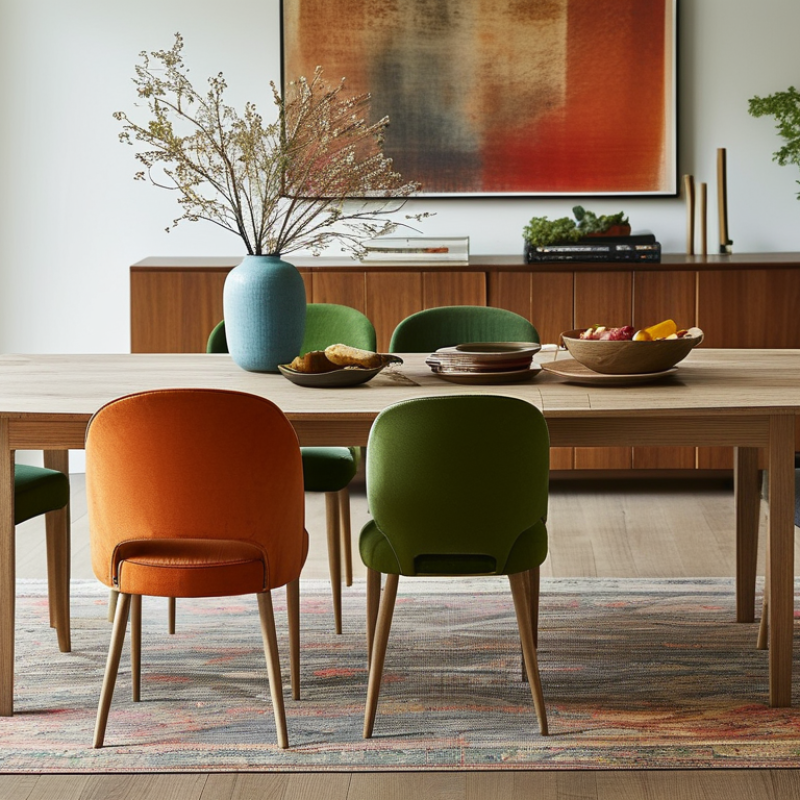
Mismatched dining chairs can be a fantastic way to enhance the aesthetics of your home. Each chair carries its own story, adding character to your dining space. If you collect chairs from various sources, ensure they share a common element. This could be color, material, or style. For instance, a wooden chair can complement a metal one if they both share a neutral color palette.
The beauty of mismatched chairs lies in their casual charm. You don't have to strive for perfection in matching every detail. Instead, find pieces that resonate with your personal style, even if they don’t seem to belong together. A vibrant patterned chair can stand out beautifully against a minimalist backdrop. However, it’s essential to maintain a cohesive vibe. Overdoing mismatches may lead to visual chaos rather than aesthetic pleasure.
Potential pitfalls can arise when combining chairs. The height and style difference may lead to discomfort during long dinners. You might realize that some chairs don’t quite fit under the table. Refining your selection is part of the process. Remember, it’s about creating a space that reflects you, flaws and all. Embrace the unique journey of curating your dining experience. A well-thought-out mix can turn your table into a focal point of conversation and creativity.
| Chair Style | Material | Color | Suitable Room | Aesthetic Impact |
|---|---|---|---|---|
| Modern Minimalist | Metal | White | Dining Room | Sleek and Clean Look |
| Rustic Wooden | Reclaimed Wood | Brown | Dining Room | Warm and Inviting |
| Vintage Upholstered | Fabric | Pastel Blue | Dining Room | Charming and Cozy |
| Industrial Style | Steel | Gray | Dining Room | Bold and Edgy |
| Bohemian Style | Natural Fiber | Multicolor | Dining Room | Eclectic and Creative |
: Mismatched chairs add character to your dining space, telling unique stories through their designs.
Understanding color harmony allows you to create a balanced look, mixing warm and cool tones effectively.
Consider mixing materials like wood and metal. Ensure they remain cohesive through color or style elements.
Yes, overdoing mismatches may lead to visual chaos. A cohesive vibe is essential for aesthetic pleasure.
Don’t be discouraged. Experiment, move chairs around, and view the overall effect until you find harmony.
Pay attention to proportions and visual weight. A tall chair next to a shorter one may feel uneasy.
No, perfection isn’t required. Focus on pieces that resonate with your personal style, even if different.
Patterns can enhance the look but should be balanced. Too many can clutter the space, so choose wisely.
Height differences can cause discomfort, and some chairs might not fit under the table, requiring careful selection.
Use a centerpiece or decorative elements to create unity. This can enhance the visual appeal of your table.
In the article "How to Coordinate Mismatched Dining Chairs Like a Pro," the focus is on the aesthetic enhancement that mismatched dining chairs can bring to a home. By understanding color theory, homeowners can choose hues that harmonize with each other, creating a cohesive look. The article also emphasizes the importance of balancing different chair heights and proportions, ensuring that the dining space remains functional while achieving a visually appealing design.
Furthermore, the use of various textures and fabrics can tie together different chair styles, contributing to a unified theme. Incorporating current design trends can also elevate the dining experience, making it feel contemporary and inviting. Ultimately, this guide offers practical tips on how to coordinate mismatched dining chairs, transforming a standard dining area into a stylish and personalized space.

 Smrtr Technology