How to Choose Transformers for Smart Metering Systems?

Time:2026-08-24 Author:Amelia
0%

Choosing the right transformers for intelligent electric metering systems is crucial. It directly impacts performance and accuracy. A well-chosen transformer ensures optimal data collection and reliable power management.

When exploring how to select transformers for intelligent electric metering systems, one must consider various factors. These include voltage ratings, load requirements, and environmental conditions. Each aspect influences the overall efficiency of the metering system. A mismatch may compromise data integrity and system reliability.

Accurate selection requires a blend of technical expertise and practical experience. It's essential to analyze both the short-term and long-term implications of your choice. Reflect on your unique demands. The decision process may be complex, but thorough understanding leads to better outcomes.
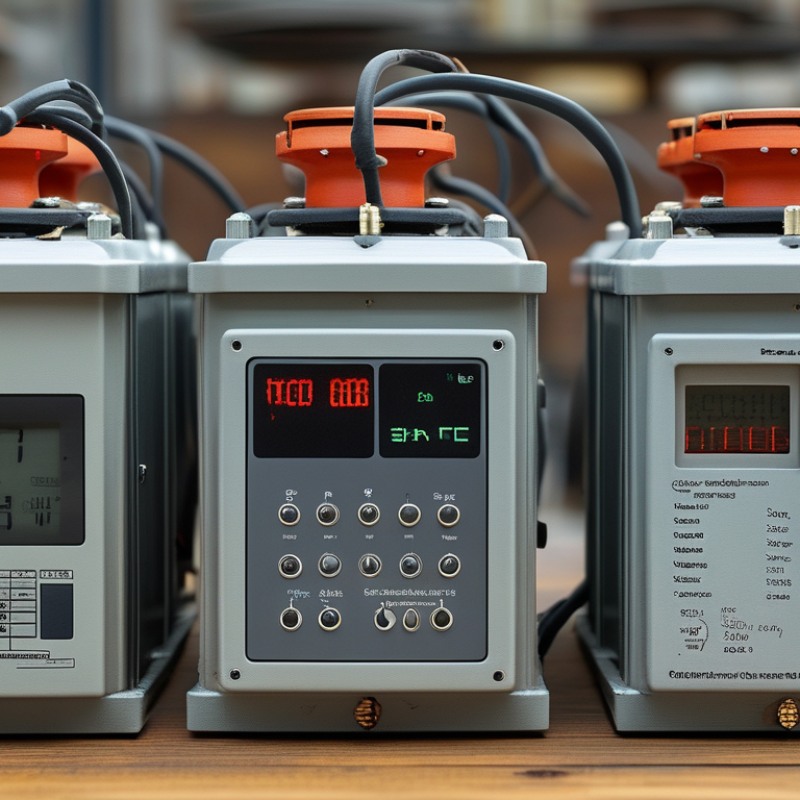
How to Choose Transformers for Smart Metering Systems?

Understanding the Role of Transformers in Smart Metering Systems

Transformers play a crucial role in smart metering systems. They help convert high voltage power into low voltage levels suitable for measurement. This ensures that the data collected is accurate and reliable. An accurate transformer will enhance data integrity in the entire metering process.

Choosing the right transformer is not always straightforward. Different metering applications require specific transformer types. For instance, the accuracy class needs to align with the metering system's sensitivity. Pay attention to the transformer's burden rating, as this impacts performance. Selecting an under-rated transformer can lead to errors in readings.

It’s important to consider external factors. Environmental conditions can affect transformer performance. Temperature extremes can impact accuracy and lifespan. Regular maintenance can mitigate some unpredictable failures. In practice, not all installations perform as expected. Therefore, ongoing monitoring and adjustments are necessary to maintain optimal functionality.

Key Specifications to Consider When Selecting Transformers

Selecting transformers for smart metering systems requires attention to several key specifications. Consider the voltage rating. Ensure the transformer can handle the system's voltage. This avoids overheating and potential failure. Pay close attention to the power rating, too. It must support the overall load of your smart meter.

Efficiency is another critical factor. A transformer that operates efficiently minimizes energy loss. Look for a model with high efficiency ratings to ensure longevity. Size and weight should also be evaluated. Compact transformers can save space but ensure they meet the necessary operational requirements.

When choosing transformers, reflect on your specific application. Different setups may call for unique solutions. Check cooling methods as well. Some designs might require additional cooling mechanisms. Use these considerations to find the right balance.

Key Specifications to Consider When Selecting Transformers for Smart Metering Systems

This chart illustrates essential specifications to evaluate when choosing transformers for smart metering systems, including voltage rating, power rating, frequency, efficiency, and temperature rise.

Analyzing Load Requirements for Accurate Transformer Sizing

When selecting transformers for smart metering systems, analyzing load requirements is crucial. Accurate transformer sizing ensures optimal performance and longevity. Industry reports suggest that improper sizing can lead to up to 30% energy losses. This inefficiency can significantly impact operational costs and sustainability goals.

Assessing the load involves evaluating both average and peak demand. Studies indicate that smart metering systems often experience wide load fluctuations, especially in urban areas. A transformer that’s too small can struggle to meet peak demands. Conversely, oversized transformers may operate inefficiently during low demand periods, creating unwanted heat and energy waste. The ideal solution requires a balance that accommodates expected load variations while maintaining efficiency.

Additionally, environmental factors play a role in transformer selection. Local temperature, humidity, and even electrical standards can influence performance. The National Electric Manufacturers Association emphasizes that understanding these conditions can prevent premature aging. Moreover, the choice of materials and design must reflect the specific applications. Ignoring these details may lead to suboptimal system reliability and performance.

Evaluating Transformer Efficiency and Performance Metrics

When selecting transformers for smart metering systems, understanding efficiency and performance metrics is crucial. Efficiency is often defined by how much energy is used versus how much is wasted. High-efficiency transformers minimize losses, which can lead to significant cost savings over time. Meanwhile, performance metrics provide insight into a transformer's ability to handle varying loads and environmental conditions.

Look into parameters such as voltage regulation and temperature tolerance. A transformer that can maintain consistent output under fluctuating loads demonstrates reliability. Additionally, consider the transformer's frequency response. This aspect directly affects the accuracy of smart meters, which rely on precise data. Poor frequency response can lead to inaccurate measurements, impacting overall system integrity.

Evaluating a transformer's lifespan is equally significant. Some transformers may have a nominal lifespan, but real-world conditions could reduce this. Factors like heat, humidity, and mechanical stress play a role. Users often underestimate these influences, leading to unexpected failures or maintenance woes. It's essential to reflect on real-life case studies to draw informed conclusions about what to expect.

Compliance Standards and Regulations for Transformers in Metering

Choosing the right transformers for smart metering systems involves understanding compliance standards and regulations. These standards ensure safety and effectiveness in electrical measurements. In North America, the IEEE and ANSI set guidelines that influence transformer specifications. According to a recent report by the International Electrotechnical Commission (IEC), around 30% of metering failures are attributed to non-compliance with these standards.

Testing and certification are crucial. Transformers must undergo rigorous assessments to confirm their performance meets the required standards. The IEC 60076 series offers detailed specifications for power transformers, ensuring reliability in smart metering applications. Reports indicate that following these guidelines can significantly reduce operational failures, enhancing system longevity.

Consider conducting regular audits on your transformers. Re-evaluating transformers against compliance standards aids in identifying potential issues. Reviewing these factors ensures that your metering system remains competitive in the market. Also, understanding local regulations can prevent costly disruptions. Adherence is not just about compliance; it enhances performance and reliability in the long run.

How to Choose Transformers for Smart Metering Systems? - Compliance Standards and Regulations for Transformers in Metering

Transformer Type Voltage Rating (kV) Power Rating (kVA) Efficiency (%) Compliance Standards
Class 1 Transformer 11 150 98.5 IEEE C57.12.00
Isolation Transformer 15 200 97.0 IEC 60076-1
Regulatory Transformer 20 100 99.0 ANSI C57.12.01
Monitoring Transformer 12 75 95.5 ISO 9001
Distribution Transformer 10 50 96.0 IEC 60076-2

FAQS

: What specifications should I consider when selecting transformers for smart metering systems?

: Pay attention to the voltage rating and power rating to avoid overheating and potential failure.

Why is efficiency important in transformer selection?

High efficiency minimizes energy loss and ensures longevity, which is essential for operational cost savings.

How does size and weight affect transformer selection?

Compact transformers save space, but they must still meet all necessary operational requirements.

What happens if a transformer is improperly sized?

Improper sizing can lead to up to 30% energy losses, impacting both costs and sustainability.

How should I assess load requirements for transformer sizing?

Evaluate both average and peak demands to ensure optimal performance and accommodate load fluctuations.

Can environmental factors influence transformer selection?

Yes, local temperature and humidity can affect performance and should be considered during selection.

What issues arise from using oversized transformers?

Oversized transformers may operate inefficiently at low demand, resulting in unwanted heat and energy waste.

Why is it important to consider cooling methods?

Some transformer designs require additional cooling mechanisms to function properly in specific setups.

How do materials and design affect transformer performance?

Choosing the right materials and design is essential; ignoring these details can reduce system reliability.

Should I reflect on my specific application while selecting a transformer?

Yes, different applications may require unique solutions, influencing your transformer choice significantly.

Conclusion

When considering how to select transformers for intelligent electric metering systems, it is crucial to understand their role in ensuring accurate and reliable measurements of power consumption. Key specifications such as voltage rating, capacity, and insulation type play a pivotal role in determining the suitability of a transformer for specific applications. Additionally, analyzing load requirements is essential for accurate transformer sizing to meet the demands of smart metering technology.

Furthermore, evaluating transformer efficiency and performance metrics helps ensure optimal operation, contributing to overall system reliability. Compliance with applicable standards and regulations is also vital, as it ensures the transformers meet safety and performance requirements essential for effective metering systems. By carefully addressing these factors, one can make informed decisions that enhance the performance of smart metering systems.

Amelia

Amelia

Amelia is a seasoned marketing professional with a wealth of expertise in our company’s core offerings. With an unwavering passion for driving growth and innovation, she plays a pivotal role in shaping our marketing strategies and enhancing brand visibility. A key aspect of her responsibilities......