How to Choose Furniture to Make Your Room Look Bigger?

Time:2026-06-16 Author:Ethan
0%

In designing a room, the choice of furniture is crucial. Renowned interior designer Sarah Thompson emphasizes, "The right furniture can transform a space, creating an illusion of openness." Understanding how to choose furniture that makes a room look bigger is essential for maximizing your living area.

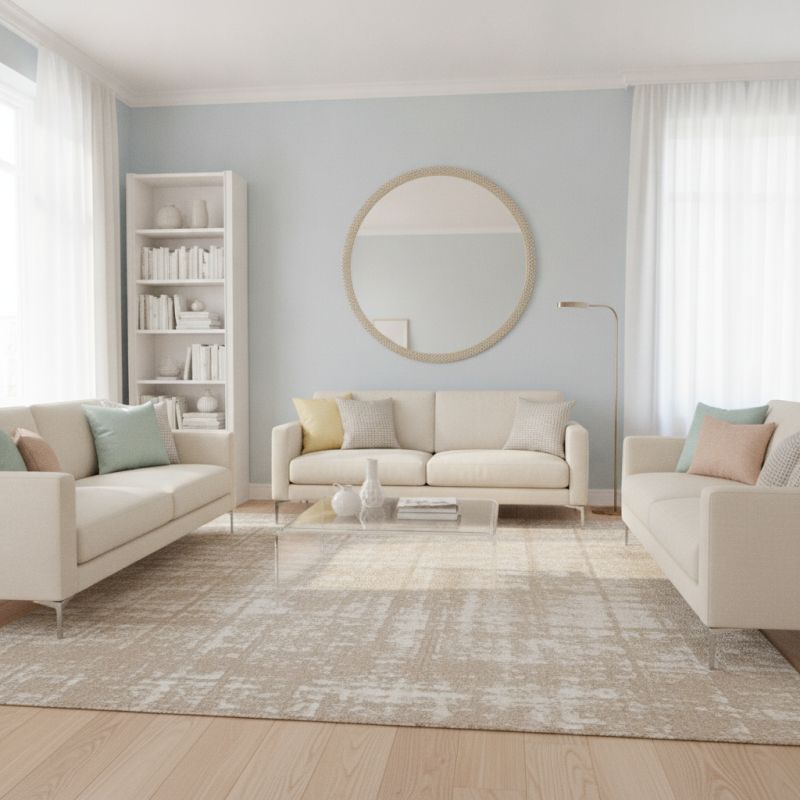
When selecting furniture, consider scale and proportion. Oversized pieces can overwhelm a small room. Instead, opt for sleek lines and compact designs. Transparent furniture, like acrylic tables, can give an airy feel without sacrificing functionality. Mirrors also play a significant role; they reflect light and create depth.

Color is another key factor. Lighter shades can enhance the perception of space. Mixing colors and textures can add interest without clutter. Be mindful of patterns; busy designs can make a room feel cramped. Thoughtfully arranged furniture can encourage flow and movement. Reflect on your choices to ensure they align with your vision of a spacious environment.
How to Choose Furniture to Make Your Room Look Bigger?

Understanding the Principles of Space: How Furniture Affects Perception

Choosing the right furniture can dramatically change how a room feels. The way furniture is arranged affects perception of space. Light colors and minimalist designs help create an illusion of openness. For example, a light-colored sofa can make a small living room seem larger. Transparent furniture, like glass tables, keeps sight lines open.

Think about scale and proportion. Oversized furniture in a small room feels suffocating. In contrast, smaller pieces can help maintain a sense of flow. Consider modular sofas that can be arranged differently. This flexibility can adapt to various situations and create more space for movement.

Another trick is using vertical space. Tall bookshelves draw the eye upward, making ceilings appear higher. Wall-mounted shelves take up less floor space. Mirrors can also amplify light and depth. However, placing mirrors incorrectly can create disorientation. Reflecting clutter can make a room feel busy. It's essential to balance aesthetics with practicality for a harmonious living space.

How to Choose Furniture to Make Your Room Look Bigger?

Furniture Type Size Recommendation Material Suggestion Color Scheme Placement Tips
Sofa Compact, low-profile designs Lightweight fabrics Light colors, pastels Against the wall to create space
Coffee Table Low and small Glass or transparent materials Neutral tones Center the seating area
Bed Platform or sleigh beds Wood or metal structures Light, airy colors Against a wall or corner
Shelving Tall, vertical shelves Open wood or metal Light or neutral finishes Against the wall to maximize floor space
Accent Chairs Slim and armless Lightweight upholstery Bright and cheerful colors Grouped with other seating

Choosing the Right Color Palette for Furniture and Walls to Enhance Space

Choosing the right color palette for your furniture and walls can significantly enhance the perception of space in your room. Light colors, such as soft whites, pale blues, or gentle greens, can create an airy atmosphere. These hues reflect light, making the room feel larger. Dark colors can absorb light, which might make the space appear smaller. Using a consistent color scheme for both walls and furniture can create flow and unity.

Textures also matter. A glossy finish can reflect light, while matte surfaces absorb it. Opting for furniture with sleek lines and minimal ornamentation aids in making the space feel uncluttered. Mirrors are effective tools; they bounce light around the room and create an illusion of depth. However, it’s important to avoid overcrowding the room with too many mirrored surfaces.

Consider how light changes throughout the day in your space. A color that feels spacious in the afternoon might seem dull in the evening. Testing paint swatches in different light can prevent mismatches that confine your room. Don’t hesitate to experiment and adjust your choices based on your experiences and observations. Each room is unique, and achieving the ideal balance might take time and reflection.

Furniture Color Palette Impact on Room Perception

This bar chart illustrates how different color palettes for furniture can impact the perception of space in a room. Light colors tend to enhance the feeling of spaciousness significantly, while dark colors can make a room feel smaller.

Selecting Scaled Furniture to Optimize Room Dimensions and Flow

Choosing scaled furniture can dramatically enhance your room's dimensions and flow. Start by selecting pieces that fit comfortably within your space. Oversized furniture can overwhelm a small room. Look for sofas and chairs that offer sleek lines and open designs. These styles create a sense of airiness and lighten the overall appearance.

Consider multifunctional furniture, like ottomans that double as storage. This approach not only saves space but also reduces clutter. You could also use mirrors strategically. They reflect light and can make a room feel larger. Placement is key; position them across from windows or light sources for maximum effect.

Be mindful of color choices too. Light colors can make a room feel expansive. Darker hues can create a cozy atmosphere but may shrink the visual space. Sometimes, it’s about balance. Test various arrangements to find what works best. Adjusting the layout may involve trial and error. Embrace the process of discovering what truly makes your room feel right.

Utilizing Multi-Functional Furniture for Space Efficiency and Utility

In today’s real estate market, many people face the challenge of limited space. According to the National Association of Home Builders, about 60% of new homes are under 2,500 square feet. This trend makes multi-functional furniture a necessity for maximizing room efficiency. For instance, a bed with storage drawers underneath can free up valuable floor space. Similarly, a modular sofa can serve as seating and sleeping areas, catering to various needs.

Experts recommend incorporating collapsible pieces. Folding tables and chairs can be tucked away when not in use. A study by the American Institute of Architects found that 70% of homeowners prefer spaces that serve multiple purposes. This approach not only accommodates more activities but also creates a sense of openness.

Choose colors wisely as well. Lighter hues reflect more light, making the room feel larger. Yet, darker shades can create intimate spaces when balanced with light elements. The key lies in a thoughtful combination of functionality and aesthetics. Reflect on your needs and how your furniture choices align with them, ensuring your space is not just stylish but also practical.

Incorporating Mirrors and Lighting to Create an Illusion of Space

Using mirrors and lighting can dramatically transform a small room. Mirrors create a sense of depth by reflecting light and images. A large mirror placed strategically can make a space feel larger. Alternatively, using several smaller mirrors can achieve the same effect while adding visual interest.

Lighting is equally critical. Natural light is your best ally. Keep windows unobstructed to let sunlight flow in. Consider layering your lighting with ambient, task, and accent fixtures. A well-placed lamp can highlight a mirror, enhancing the illusion of space. Adjustable lighting lets you shift atmosphere based on the time of day.

However, using these elements effectively can be tricky. Overloading a room with mirrors may lead to visual clutter. You might also find that too much light can create stark shadows. Experimentation is key. Test different arrangements to see what works best for your room's layout. Remember, it's about balance and finding what feels right for you.

FAQS

: How does furniture arrangement affect room perception?

: Furniture arrangement can significantly alter how spacious a room feels.

What color schemes create a sense of openness?

Light colors and minimalist designs can make a room appear larger and more inviting.

Why choose transparent furniture?

Transparent pieces, like glass tables, maintain sight lines and help rooms feel less cramped.

What size furniture is best for small spaces?

Smaller, appropriately scaled furniture allows for better flow and movement in tight areas.

How can vertical space improve perception?

Tall bookshelves and wall-mounted shelves draw the eye upward, making ceilings look higher.

What role do mirrors play in a room?

Mirrors can amplify light and depth, creating an illusion of space. However, misuse can lead to disorientation.

How important is lighting in small rooms?

Lighting is crucial. Natural light and layered lighting options can enhance the perception of space.

What should you avoid with mirrors and light?

Avoid excessive mirrors that lead to clutter and too much light that creates harsh shadows.

How can I find the right balance in my room design?

Experiment with different layouts, focusing on what feels harmonious and functional for your space.

Why is flexibility in furniture arrangements important?

Modular sofas can adapt to various situations, making rooms versatile and enhancing movement.

Conclusion

When considering how to choose furniture that makes a room look bigger, it’s essential to understand the principles of space and how furniture placement affects perception. Start by selecting a cohesive color palette for your walls and furniture; lighter hues can create an airy feel while offering a sense of openness. Additionally, opt for scaled furniture that complements room dimensions, ensuring that the flow is not obstructed.

Integrating multi-functional furniture allows for both efficiency and utility, maximizing the use of space without overcrowding. Finally, don’t underestimate the power of mirrors and strategic lighting; they can significantly enhance the illusion of space, making your room feel larger and more inviting. By following these guidelines, you can effectively create a more spacious atmosphere in any room.

Ethan

Ethan

Ethan is a seasoned marketing professional with a deep expertise in our company's innovative product line. With a passion for sharing knowledge and insights, he takes the lead in regularly updating our corporate blog, where he explores industry trends, product features, and effective marketing......