Choosing furniture can be overwhelming. One crucial decision is between MDF and solid wood. Furniture experts often debate this topic. James Hartley, a well-known furniture designer, states, "Understanding what is the difference between MDF and solid wood furniture is key to making an informed choice."
MDF, or Medium-Density Fiberboard, is made from wood fibers. It is often more affordable and versatile. Many people appreciate its smooth finish. However, it lacks the durability of solid wood and may not age well. Solid wood, on the other hand, brings a sense of tradition and authenticity to any space. It can last for generations if properly maintained.
Consumers must reflect on their needs and lifestyle. Consider the purpose of the furniture and its expected lifespan. While MDF may seem practical for budget-conscious buyers, solid wood often adds uniqueness to a home. Weighing these factors can lead to better decisions in the long run.
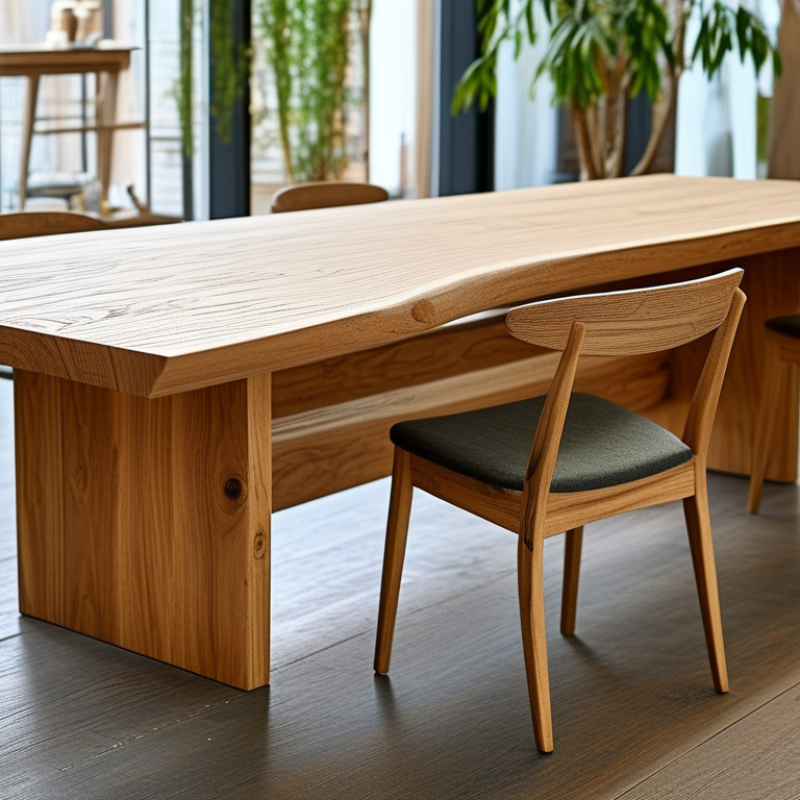
Factors to Consider When Choosing Between MDF and Solid Wood Furniture
When choosing between MDF and solid wood furniture, several factors should guide your decision. MDF, or medium-density fiberboard, is often praised for its affordability and versatility. It is produced from wood fibers, making it a cost-effective material. According to industry reports, MDF can be up to 40% cheaper than solid wood offerings, which is appealing for budget-conscious consumers.
Solid wood furniture, in contrast, boasts durability and aesthetic appeal. Many homeowners value the organic look and longevity of solid wood pieces. A recent study indicated that over 70% of consumers prefer solid wood for its robustness and timeless quality. However, solid wood can warp or crack under extreme conditions, presenting a dilemma for some buyers.
Tip: Assess your climate before purchasing. If you live in a humid area, solid wood may require extra care to avoid warping.
The choice also depends on the intended use of the furniture. For high-traffic areas, MDF might be more suitable due to its resistance to dents and scratches. Yet, solid wood could age gracefully, providing a unique character over time.
Tip: Consider your lifestyle and how often you plan to replace your furniture. Investing in solid wood might seem daunting upfront, but it could save money in the long run.
Durability and Longevity: Comparing MDF and Solid Wood Performance
When choosing furniture, durability is key. MDF (Medium Density Fiberboard) and solid wood each have unique properties that affect their longevity.
Solid wood furniture often boasts greater resilience. It can withstand wear and tear for generations. However, it is susceptible to temperature changes and humidity. This can lead to warping and cracks if not properly cared for.
MDF is cost-effective and resistant to moisture. It’s less likely to warp compared to solid wood. However, it may not endure heavy impacts well. Over time, MDF can delaminate or break down if exposed to excessive water. This means it may need replacement sooner than solid wood.
Tips: Look for furniture that suits your lifestyle. If you have kids or pets, consider the sturdiness of materials. For high humidity areas, MDF may perform better. Regular maintenance for solid wood enhances its lifespan. Always evaluate how your chosen material fits your home environment.
Cost Analysis: MDF vs. Solid Wood Furniture Prices in 2026
When considering furniture options in 2026, understanding the cost difference between MDF (Medium-Density Fiberboard) and solid wood is key. MDF typically costs between $50 to $150 for a standard piece, while solid wood can range from $150 to $600 or more, depending on the type. For example, oak tends to be pricier than pine, but oak is more durable. A recent industry report found that solid wood furniture retains 70% of its value over time, while MDF may drop to around 40%.
MDF is often chosen for its affordability, but it may require more maintenance over the years. The lifespan of MDF furniture is usually about 5 to 10 years, which is shorter than that of solid wood, which can last for decades with proper care. It’s essential to weigh these factors because a lower initial cost can lead to higher replacement expenses.
Tip: When shopping, consider the long-term investment. Research different types of wood. This can greatly influence durability and cost over time. Remember, the aesthetic value of solid wood often pays off in resale, while MDF furniture poses a risk of more frequent replacements. Look closely at your needs and budget to make an informed choice.
Environmental Impact: Sustainability of MDF and Solid Wood Materials
When considering the environmental impact of MDF and solid wood furniture, sustainability is crucial. MDF, or medium-density fiberboard, is often made from recycled wood fibers. This can reduce waste but may involve harmful adhesives. Solid wood furniture, while more durable, raises concerns about deforestation.
A 2021 report by the Forest Stewardship Council states that nearly 29% of the world's forests are logged unsustainably. Choosing sustainably sourced wood is vital. On the other hand, MDF can release VOCs (volatile organic compounds) that pose health risks. Lack of proper ventilation or exposure for extended periods can be problematic.
Tips: Opt for certified wood sources to minimize your environmental footprint. Ventilation can help mitigate VOC exposure from MDF. Reflect on your values when choosing materials; sometimes the perfect choice isn't the most popular one. Each option comes with trade-offs that demand careful consideration.
Aesthetic Appeal: Design Options and Finishes for MDF and Solid Wood Furniture
When choosing between MDF and solid wood furniture, aesthetics play a crucial role. MDF offers versatility in design. It can easily be molded into various shapes and styles, making it a popular choice for modern interiors. Its smooth surface allows for vibrant paint options and intricate finishes that can mimic natural wood. You can find it in various colors and textures, which can enhance any space.
On the other hand, solid wood furniture exudes timeless elegance. Each piece showcases unique grain patterns, adding character to your home. The warmth and natural appeal of solid wood elevate the overall ambiance. However, wood can be susceptible to scratches and dents, requiring careful maintenance. It often comes in fewer finishes than MDF, which may limit design choices.
Ultimately, your decision may hinge on your personal style and how you envision your space. Both materials have pros and cons. Consider the upkeep and look you prefer. Balancing aesthetics with practicality can be challenging but rewarding. Think deeply about what resonates with you.
2026 How to Choose Between MDF and Solid Wood Furniture?
This chart compares MDF and solid wood furniture across various important factors such as aesthetic appeal, price, durability, maintenance, and eco-friendliness. Higher values indicate greater preference or performance in that category.
FAQS
: MDF stands for medium-density fiberboard. It is affordable and versatile, appealing to budget-conscious buyers.
Many value its durability and aesthetic charm. Solid wood offers a timeless quality and unique character.
Humid areas can cause solid wood to warp. Assessing your climate is crucial before purchasing.
MDF is more resistant to dents and scratches, making it suitable for high-traffic spaces.
Yes, MDF allows for versatile designs and vibrant finishes. Solid wood has unique grain patterns but fewer finishes.
Yes, it may require a higher upfront cost but can save money over time with its longevity.
Yes, solid wood needs careful upkeep to avoid scratches. MDF is generally easier to maintain.
Yes, MDF can mimic natural wood through paints and textures, making it versatile for modern interiors.
Think about your lifestyle, design preferences, and how much care you’re willing to give your furniture.
Yes, finding the right balance can be challenging. Reflecting on your choices is important in making a decision.
Conclusion
When choosing between MDF and solid wood furniture, several factors come into play. Understanding what is the difference between MDF and solid wood furniture is essential for making an informed decision. MDF (Medium Density Fiberboard) is engineered from wood fibers, making it more affordable and often easier to shape. However, solid wood furniture typically offers greater durability and longevity, making it a worthwhile investment for those seeking lasting quality.
Cost analysis further highlights these differences, as MDF tends to be more budget-friendly compared to solid wood, which can be significantly more expensive. Additionally, considerations around environmental impact reveal that sustainably sourced solid wood may be the more eco-friendly option, while MDF can be made from recycled materials. Aesthetic appeal is another key factor, with both materials offering a range of design options; however, solid wood provides a unique natural grain that many find appealing. Overall, weighing these aspects will guide consumers in selecting the right furniture that aligns with their needs and values.

 Smrtr Technology