Best Ways to Arrange Furniture in a Long Narrow Living Room?

Time:2026-04-09 Author:Mason
0%

Arranging furniture in a long narrow living room can be challenging. Expert interior designer, Sarah Thompson, emphasizes the importance of flow and functionality. She states, "A well-placed sofa can transform the narrowest of spaces into a cozy retreat." This speaks volumes about how to arrange furniture in a long narrow living room effectively.

To optimize the space, start with a focal point. A fireplace or a large window can serve this purpose. Positioning furniture around this anchor can create a sense of balance. Another approach is to use furniture that offers versatility. For example, a modular sofa can adapt to various layouts. This adaptability is crucial in making the most of limited space.

It’s important to be mindful of the room's flow. Avoid overcrowding with oversized pieces. Instead, opt for slim, streamlined designs that enhance visibility. Take a step back and reassess your layout. Are there areas that feel cramped? Don’t be afraid to rearrange until it feels right. Balancing aesthetics with practicality can make your narrow living room not just beautiful but also functional.
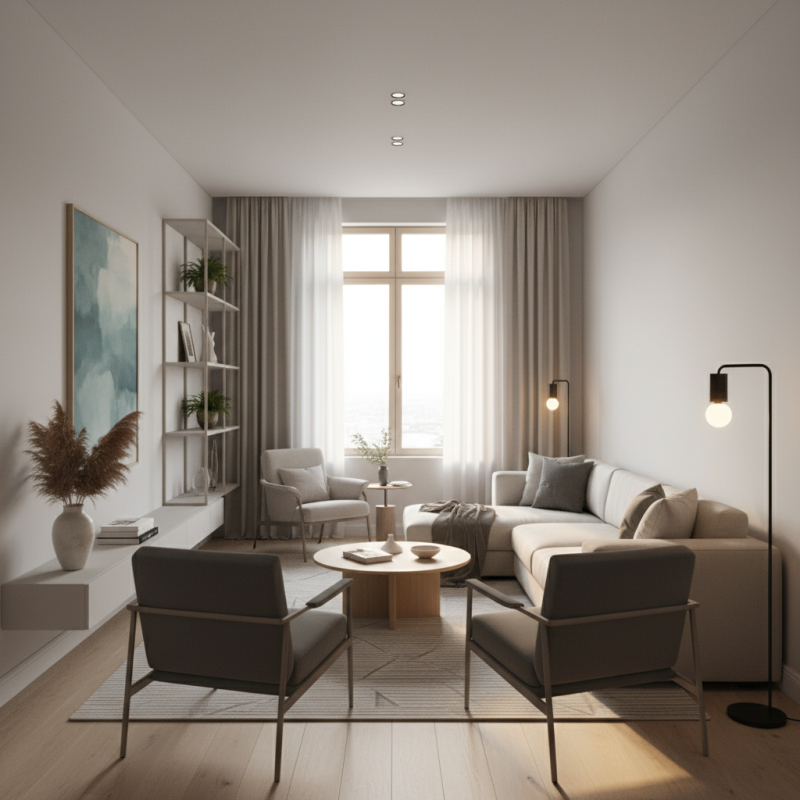
Best Ways to Arrange Furniture in a Long Narrow Living Room?

Best Ways to Arrange Furniture in a Long Narrow Living Room

Arranging furniture in a long narrow living room can be a challenge. The key is to create a balance between functionality and aesthetics. Start by identifying the room's focal point. It could be a fireplace or a television. Position your main seating around this focal point to promote conversation. Consider using a sectional sofa. It can provide ample seating while maximizing space.

Use area rugs to define different zones. A rug under the seating area can visually anchor it. This technique helps to create a cozy feel. Don’t hesitate to experiment with angles. Placing furniture at a slight angle can break the monotony of straight lines. It also helps in making the space feel less cramped.

Incorporate multifunctional furniture. Ottomans can serve as both seating and storage. Wall-mounted shelves can free up floor space while displaying decor. Be mindful of the scale of your furniture. Oversized pieces can overwhelm a narrow room. Ultimately, it’s about trial and error. Rearranging may lead to unforeseen challenges, but it will also spark creativity. Keep adjusting until you discover the arrangement that feels just right.

Best Ways to Arrange Furniture in a Long Narrow Living Room

Arrangement Type Description Pros Cons
Sectional Sofa Layout Position a sectional sofa to create a cozy conversation area. Maximizes seating; defines the space. Can limit traffic flow; may overpower small rooms.
Parallel Arrangement Place furniture parallel to the length of the room to enhance openness. Creates a spacious feel; easy access to all areas. May feel uninviting or linear.
L-shaped Arrangement Arranging furniture in an L-shape to define a distinct area. Encourages conversation; creates visual interest. Can feel cramped if not enough space is available.
Zone Division Use rugs and furniture to define different areas for various activities. Increases functionality; versatile for hosting. Risk of clutter; may visually overwhelm.
Floating Furniture Arrange furniture away from the walls to create a more intimate space. Encourages interaction; allows for better flow. Can be impractical in small spaces; needs more space.

Understanding the Dimensions: Key Measurements for a Narrow Living Room

A narrow living room can be a challenge to design. Understanding the dimensions is crucial. Measure the width and length carefully. A common narrow room may be 10 feet wide and 20 feet long. This knowledge allows you to visualize your layout effectively.

Tips: Consider using lighter colors for walls and furniture. They can make the room feel larger. Avoid heavy, bulky furniture that can overwhelm the space. Go for sleek and minimal designs. Use multi-functional pieces like ottomans or side tables that can serve different purposes.

Creating separate zones can also enhance functionality. For instance, designate a small reading nook at one end. Use a slim bookshelf to separate it from the main seating area. Keep walkways clear for better flow. Reflect on the balance between comfort and space. Every choice impacts the room's feel and functionality.

Best Ways to Arrange Furniture in a Long Narrow Living Room

This chart represents the preferred arrangement frequency of different furniture items in a long narrow living room. It helps to visualize how often certain arrangements are utilized, guiding interior design decisions for optimizing space efficiency.

Choosing the Right Furniture: Scale and Proportion in Small Spaces

In a long, narrow living room, choosing the right furniture is crucial for functionality and aesthetics. Scale and proportion play a significant role in small spaces. According to a survey by the American Institute of Architects, 55% of homeowners express that furniture size influenced their space's comfort and usability. This highlights the importance of selecting pieces that reinforce harmony in proportions.

Opt for furniture that complements the room's dimensions. For instance, a low-profile sofa can create an illusion of space while offering comfort. Avoid oversized furniture, as it can make a narrow room feel cramped. A recent report from the National Association of Home Builders revealed that 70% of respondents prefer multifunctional furniture. This versatility can help maximize space without sacrificing style.

Incorporating vertical elements can enhance the room's perception. Tall shelves or wall-mounted art draw the eye upward. This technique helps create an impression of height, making the area feel larger. However, there is a risk—overcrowding with too many elements can be overwhelming. Striking a balance between decorative and functional items is essential to maintain a calm environment.

Zoning Your Space: Creating Functional Areas in a Long Room

Zoning a long narrow living room is an excellent way to enhance functionality and comfort. According to a report by the American Society of Interior Designers, creating distinct areas boosts the use of space by 30%. This means you can have a cozy reading nook, a social gathering area, and a workspace, all within the same room.

To achieve this, use rugs and furniture arrangements to define each zone. For example, a large area rug can anchor a seating space. Sofas and chairs can be positioned to encourage conversation while remaining open toward other areas. Consider using partitioning elements like bookshelves or curtains. They can provide privacy without overwhelming the space, making it feel more organized.

Lighting plays a crucial role in zoning, too. Bright lighting can emphasize work areas, while softer tones can set the mood for relaxation. Use table lamps or wall sconces to differentiate zones. A well-lit reading corner invites you to dive into a book. Yet, overly bright lighting might disrupt the serene atmosphere of a lounging space. Balancing these elements requires careful thought, especially in unique layouts.

Effective Layouts: Popular Arrangements for Long Narrow Living Rooms

Arranging furniture in a long narrow living room can be challenging but rewarding. An effective layout can make the space feel wider and more inviting. One popular arrangement is to position the sofa facing the focal point, such as a fireplace or TV. This encourages conversation and creates a cozy atmosphere. Using a loveseat or a pair of chairs opposite the sofa can enhance this setup, adding symmetry and balance.

Another approach is to take advantage of the room’s length. Placing a sectional sofa in a corner can open up the room while maximizing seating. You can add a long coffee table in front of the sectional to complete the look. If space permits, consider placing a slim console table behind the sofa. This not only provides extra surface area but also adds depth to the room.

However, be mindful of overcrowding the space. Too much furniture can make it feel cramped. Keep pathways clear to allow easy movement. Sometimes, less is more. Reflect on how you use the space. Does it feel comfortable? Can you entertain guests or relax easily? Adjust the arrangement as needed until it feels just right.

Accessorizing Wisely: Using Decor to Enhance Spatial Perception

Arranging furniture in a long, narrow living room can be a challenge. However, the right decor can enhance the spatial perception significantly. Consider using vertical artwork to create an illusion of height. Tall mirrors also reflect light, making the room feel more expansive.

Layered textures can break up the length. Use throw pillows, rugs, and blankets. Choose different materials to add depth. Opt for lighter colors to keep the space feeling airy. Dark tones can restrict visual flow, making the room feel smaller.

Plants can also bring life to the space. Vertical gardens or tall plants draw the eye upward. Strategically placed lighting fixtures can highlight specific areas. Remember, the goal is to create a balanced and inviting atmosphere. Experimenting with arrangements often leads to unexpected results. Adjusting furniture placement might not work on the first try. Patience is key in discovering the best layout for your living room.

FAQS

: How can I create a focal point in a long narrow living room?

: Identify a feature like a fireplace or television. Position your main seating around this point to encourage conversation.

What type of sofa works best in a narrow living room?

A sectional sofa is ideal. It maximizes seating while utilizing limited space effectively.

How can area rugs help in furniture arrangement?

Area rugs define zones. A rug under the seating anchors the area, creating a cozy atmosphere.

Should I experiment with furniture angles?

Yes, placing furniture at angles can break monotony. It makes the room feel less cramped and more inviting.

What is multifunctional furniture, and why is it useful?

Multifunctional furniture serves multiple purposes. For example, ottomans can provide extra seating and storage.

How do I choose furniture scale for a narrow room?

Be mindful of furniture sizes. Oversized pieces can overwhelm and make the room feel tighter.

What decor tips can enhance spatial perception?

Use vertical artwork and tall mirrors. They create an illusion of height and make the room feel larger.

Why are lighter colors preferred in narrow living rooms?

Lighter colors maintain an airy feel. Dark tones can restrict visual flow and make the space look smaller.

How can I incorporate plants into the living room?

Use vertical gardens or tall plants. They draw the eye upward and add life to the space.

Is rearranging furniture a one-time task?

No, trial and error is part of the process. Adjust placements until the arrangement feels just right.

Conclusion

Arranging furniture in a long narrow living room presents unique challenges, but with the right strategies, it can be transformed into a functional and inviting space. First, it’s essential to understand the room's dimensions and key measurements, ensuring that the furniture chosen complements the scale of the area. Selecting the right pieces that fit well without overcrowding the space is crucial, as is creating distinct zones for various activities, which helps to maximize usability.

When considering how to arrange furniture in a long narrow living room, popular layouts, such as using a linear arrangement or floating furniture away from walls, can enhance flow and accessibility. Additionally, accessorizing with decor elements can visually enhance the spatial perception, making the room feel more expansive. By focusing on these aspects, homeowners can effectively create a balanced and aesthetically pleasing living environment.

Mason

Mason

Mason is a seasoned marketing professional with a deep expertise in the company's offerings and a passion for driving brand awareness. With a strong background in digital marketing strategies, he has an innate ability to connect with diverse audiences and effectively communicate product benefits.......